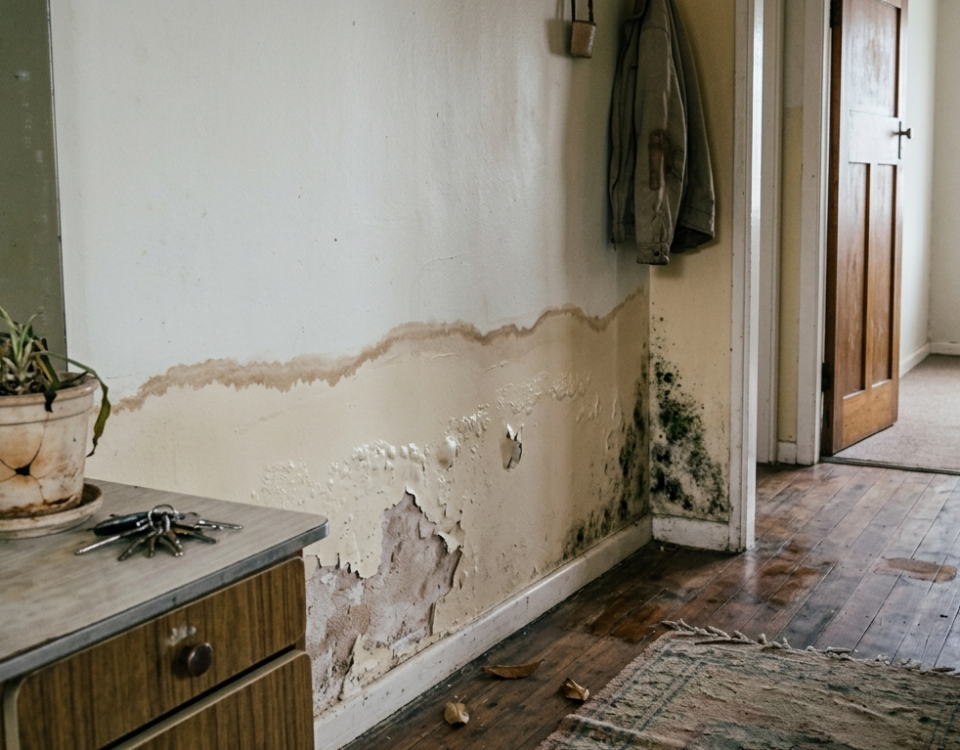
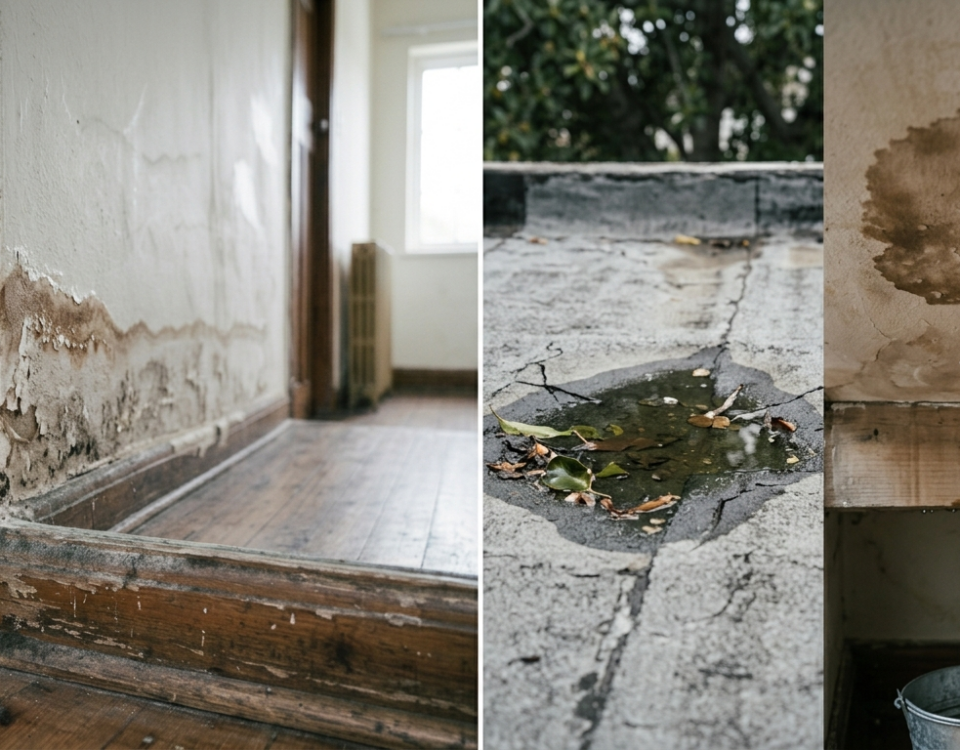
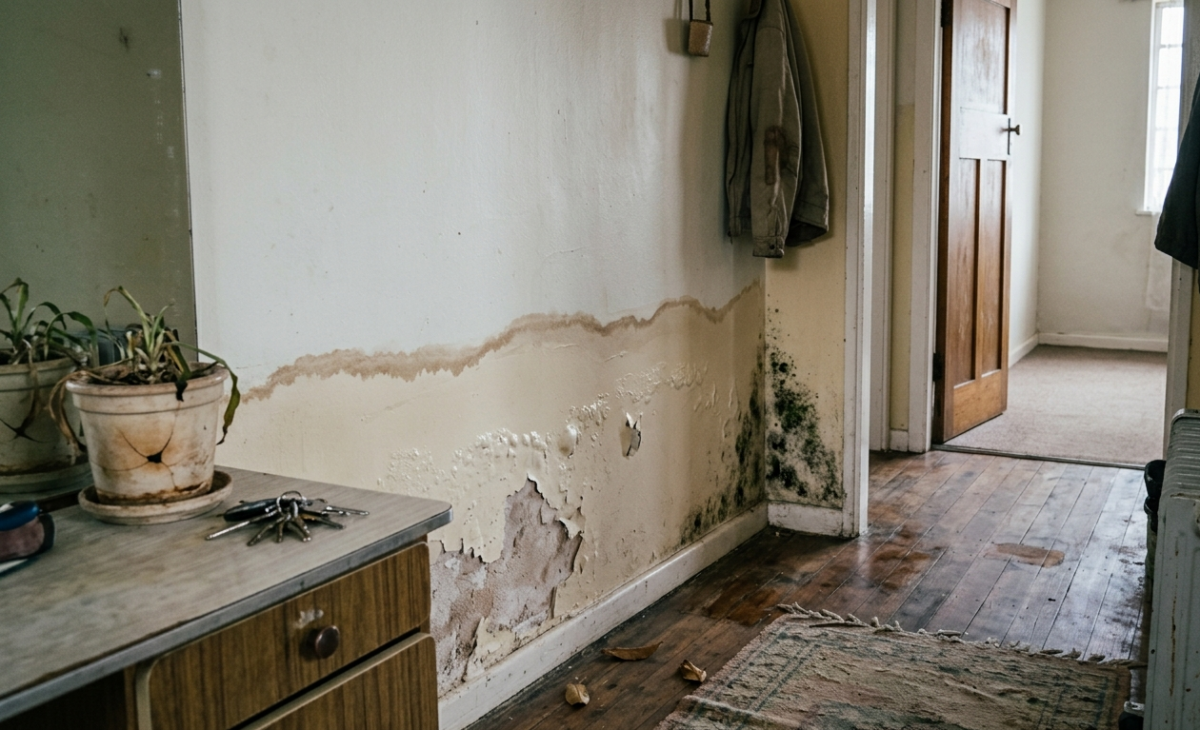
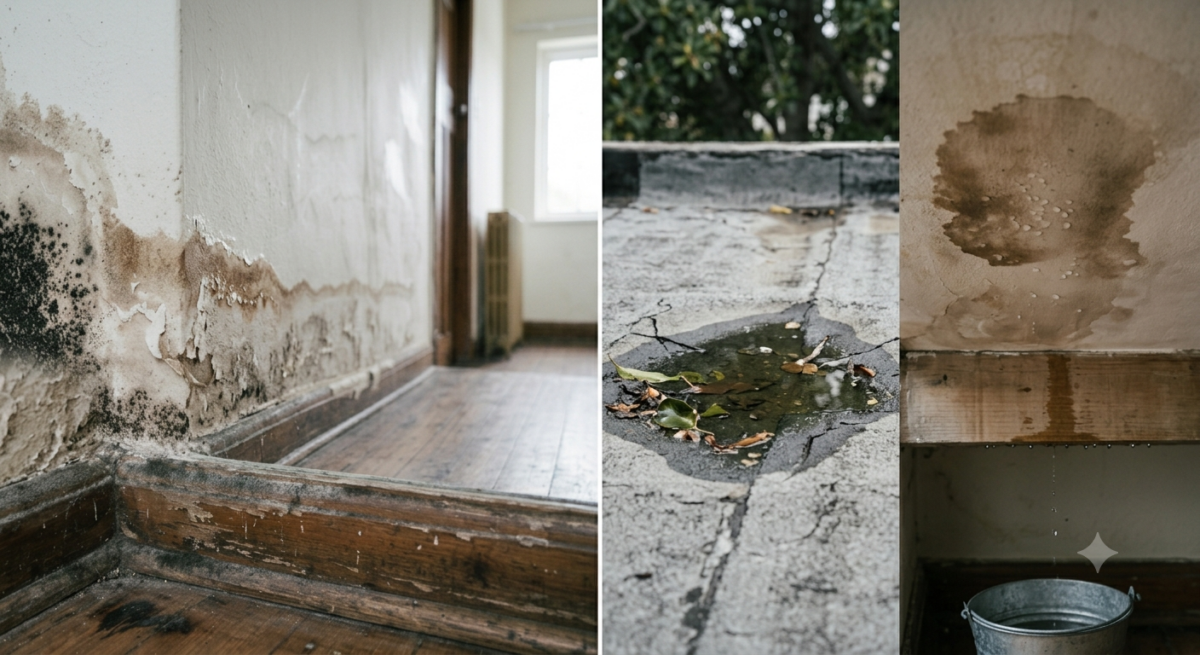
Damp and mould in your home are not just a cosmetic problem. Mould releases spores and mycotoxins that can cause or worsen respiratory problems, sinus issues, headaches, fatigue, and skin irritation. Children, elderly people, and anyone with asthma or a compromised immune system are most at risk. The only way to permanently fix mould is to treat the underlying damp that is causing it. Read on for what to look out for and what to do.
Most people treat mould in the home as a cleaning problem. They wipe it off the wall, apply a mould spray, and repaint. Within a few months it is back, usually larger and darker than before. The cleaning did not work because it treated the symptom, not the source.
The source is damp. And damp that is producing mould is a health issue, not just a property maintenance issue.
What Mould Actually Does in a Damp Home
Mould is a fungus that grows wherever there is consistent moisture. In a Cape Town home with untreated rising damp, penetrating damp, or condensation building up over winter, mould has everything it needs. Once established, it releases microscopic spores into the air. These spores are what cause health problems when inhaled.
Some mould species also produce mycotoxins, chemical compounds that can cause more serious health effects in people who are regularly exposed to them. Black mould, which thrives in the wet Cape winters, is among the species associated with more significant health impacts.
Health Problems Linked to Damp and Mould
The health effects of living in a damp, mouldy home range from mild to serious depending on the individual and the extent of the problem. The most commonly reported issues include:
- Persistent coughing or wheezing
- Worsening of asthma symptoms
- Sinus congestion and headaches
- Skin irritation and rashes
- Fatigue and difficulty concentrating
- Respiratory infections that recur through winter
Children, elderly people, pregnant women, and anyone with a pre-existing respiratory condition or a compromised immune system are at greater risk. If a member of your household has unexplained health issues that are worse at home and better when away, damp and mould are worth investigating.
Why Cleaning Mould Does Not Fix the Problem
Surface mould cleaning removes the visible growth but does not address the moisture that is feeding it. Within weeks of cleaning, the moisture source, which is still active in the wall, provides everything the mould needs to grow back. This cycle repeats until the underlying damp is treated properly.
Colin Brown from Cape Damp Specialists approaches mould problems by identifying and treating the damp source first. Once the moisture is eliminated, mould cannot sustain itself.
What You Should Do
If you have visible mould growth in your home that keeps coming back, the first step is identifying what type of damp is causing it. Rising damp, penetrating damp, lateral damp, and condensation each require different treatments. For a full breakdown of the differences, read our guide to the three types of damp in Cape Town homes.
Do not repaint over mould or apply mould-resistant paint as a first response. It will not solve the problem and will delay the proper treatment. Get the damp assessed first.
When to Take It Seriously
Any mould that is spreading, recurring repeatedly after cleaning, or accompanied by health symptoms in household members warrants a professional assessment. In Cape Town’s winter months, damp conditions can develop quickly. A small damp patch that appears in May can be a significant mould problem by August if it is left untreated.
If you are concerned about mould in your home, Cape Damp Specialists provides assessments that identify the moisture source. Colin Brown will tell you exactly what is causing it and what treatment will resolve it permanently.
“People are sometimes surprised when I tell them the recurring sinus problems or the persistent cough might be connected to the damp patch on the wall they have been painting over for three years. Treat the damp properly and the mould goes with it.”
Concerned about damp or mould in your Cape Town home? Colin Brown from Cape Damp Specialists provides free assessments. Call 060 886 2970 or send a WhatsApp.

Over 20 years’ experience specialising in rising damp, based in Goodwood and serving homes across Cape Town, Somerset West, Strand, Paarl, Langebaan and Wellington.
Yes. Damp walls that develop mould release spores into the air that can cause or worsen respiratory problems, sinus issues, headaches, and fatigue. Children and elderly people are most vulnerable.
All mould in a home warrants attention. Black or dark green mould, mould that covers a large area, and mould accompanied by health symptoms in household members are all indicators that the problem needs to be treated promptly. The underlying damp source must be identified and treated, not just the visible mould.
Yes. Mould cannot survive without moisture. Treating the underlying damp source properly eliminates the conditions that allow mould to grow. Once the wall has dried out completely, the mould does not return.