Damp-proofing treats moisture that enters through walls and floors, typically rising damp, penetrating damp, or lateral damp. Waterproofing creates a barrier on surfaces that are directly exposed to water, like roofs, balconies, and concrete slabs. Some properties need both. Calling the wrong specialist for the wrong problem wastes time and money. This guide explains the difference clearly so you can make the right call. Read on for a full breakdown.
When a homeowner in Cape Town notices moisture in their property, the first call is often to whoever comes up first in a search. Sometimes that is a damp-proofer. Sometimes it is a waterproofer. Sometimes the two are the same contractor. And sometimes the homeowner ends up paying for a treatment that addresses the wrong problem.
Colin Brown from Cape Damp Specialists has been asked this question for over 20 years. Here is the clearest answer he can give.
What Damp-Proofing Is
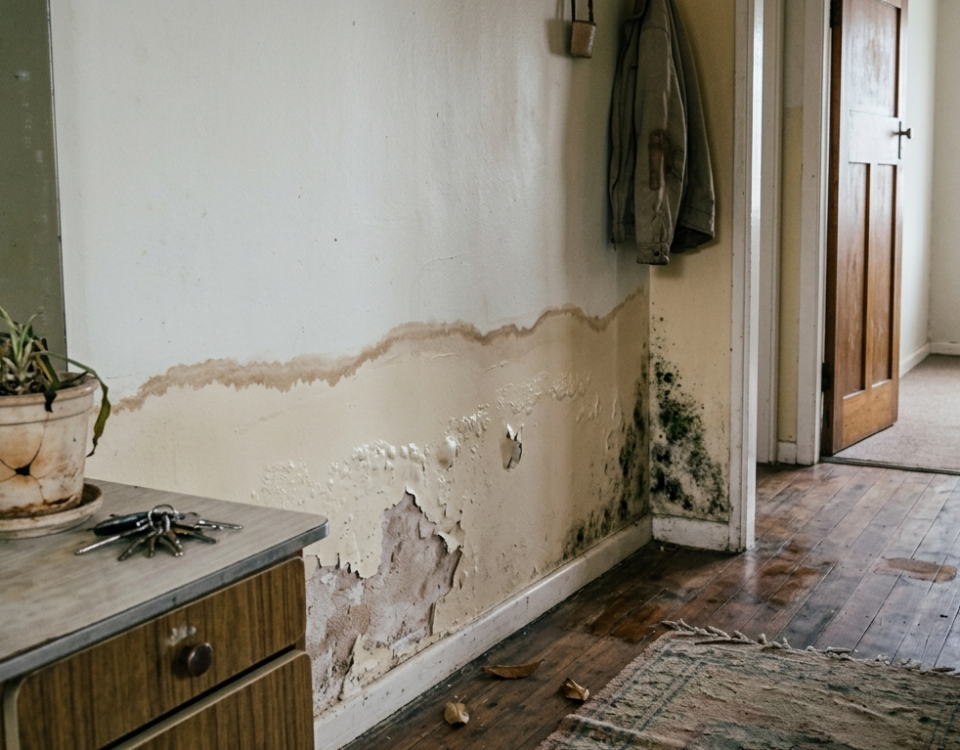
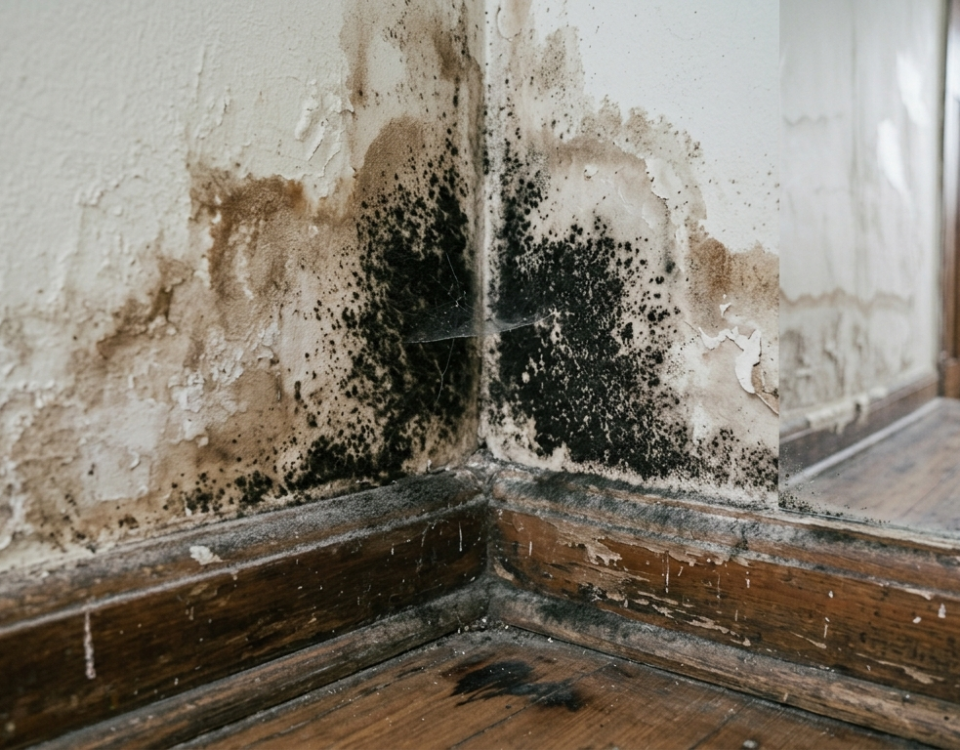
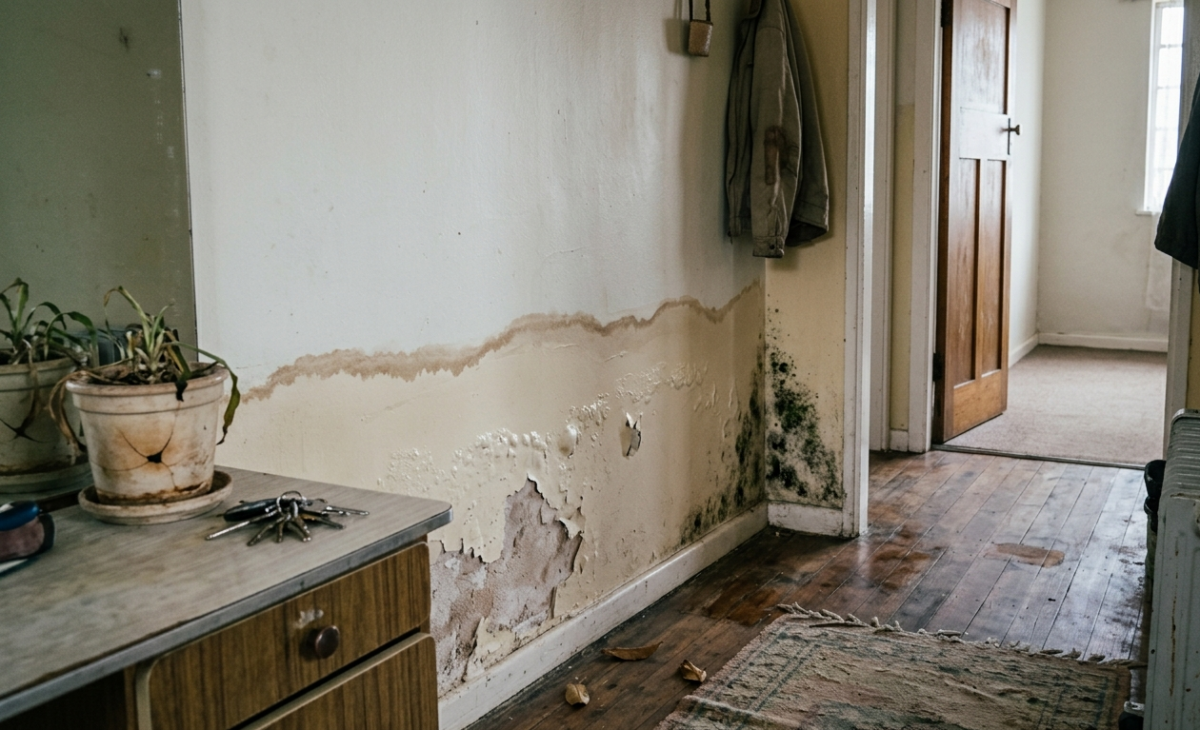
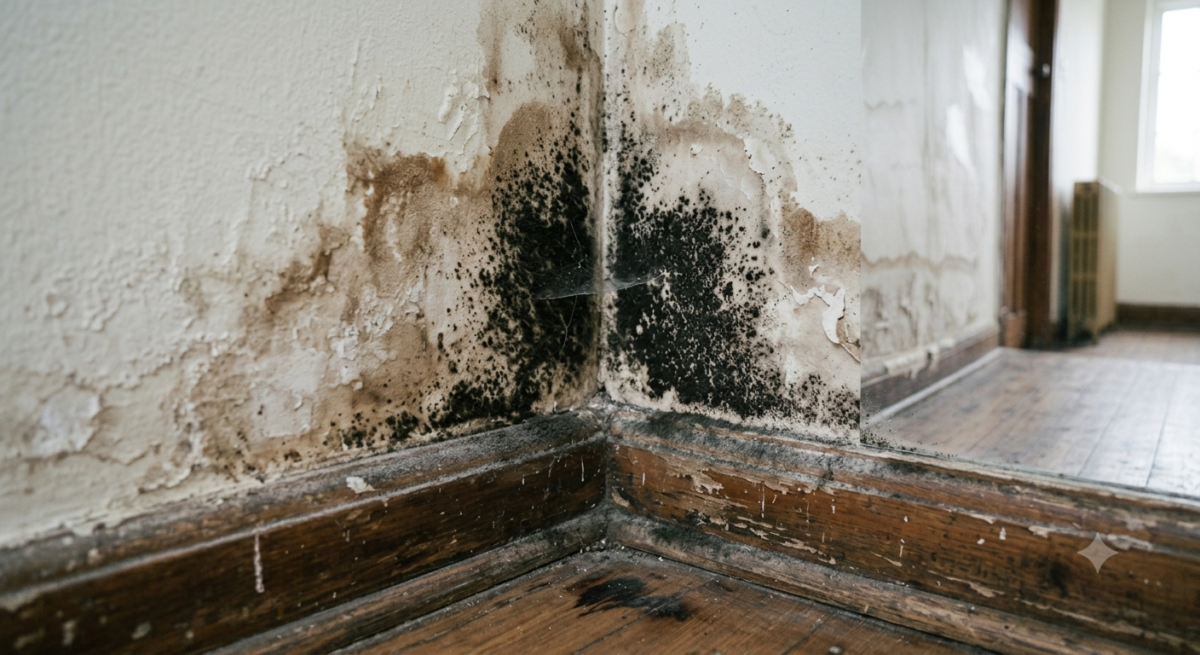
Damp-proofing deals with moisture that enters or travels through the fabric of a building. The three main types are rising damp, which travels upward from the ground through masonry; penetrating damp, which enters horizontally through defects in the external wall; and lateral damp, which is caused by soil moisture pressing against a wall from the side.
Damp-proofing treatments work within the structure of the building. Chemical injection into mortar courses for rising damp. Identifying and sealing entry points for penetrating damp. Tanking systems for lateral damp. The treatment addresses how moisture is moving through the building material. For a full breakdown of each type, read our guide to the difference between rising damp, penetrating damp, and lateral damp.
What Waterproofing Is
Waterproofing creates a physical barrier on a surface that is exposed to direct water contact. A flat roof. A balcony deck. A concrete slab. A below-ground retaining wall. A shower floor. These are all surfaces where water sits or runs directly and where a membrane or coating prevents it from penetrating into the structure below.
Waterproofing is an applied system on the surface. The most common types include torch-on bitumen membrane, liquid applied waterproofing membranes, and cementitious waterproofing coatings. The right system depends on the surface, the exposure, and what is beneath it.
Where the Confusion Comes From
The confusion between the two is understandable because moisture is moisture and a wet wall is a wet wall. But the cause of that wet wall determines the treatment. A flat roof that is leaking onto a ceiling below is a waterproofing problem. Rising damp on a lower interior wall is a damp-proofing problem. A basement wall that is wet from soil pressure is often a tanking problem that sits somewhere between the two.
Many contractors offer both services, which helps, but not all specialists in one are equally skilled in the other. At Cape Damp Specialists, Colin Brown’s primary speciality is damp-proofing with rising damp as the core focus, though waterproofing work is also taken on. Being honest about this distinction is part of how Cape Damp Specialists operates.
Who to Call for Which Problem
Call a damp-proofer if you have:
- A tide mark or salt deposits on lower interior walls
- Damp patches on walls that are present regardless of rain
- Moisture coming through a below-ground wall with soil on the other side
- A damp reading flagged in a property inspection on interior walls
Call a waterproofer if you have:
- A leaking flat roof or pitched roof
- Water coming through a balcony or deck surface
- A wet ceiling directly below a concrete slab
- A shower or wet room that is leaking into the room below
Call someone who does both if you have:
- A below-ground basement or cellar with moisture ingress
- A property with multiple moisture problems that may have different sources
- Damp flagged in an inspection report without a clear description of the source
The Honest Advice
If you are not sure which you need, call for an assessment before committing to any treatment. An honest contractor will tell you which category your problem falls into, whether they are the right person to do the work, and if not, who you should be calling instead. That transparency is what separates a specialist from a salesperson.
Cape Damp Specialists offers free assessments that include a clear diagnosis of the moisture problem and an honest recommendation for treatment. If the problem is primarily a waterproofing issue outside Colin Brown’s scope, he will tell you.
“I turn down waterproofing jobs sometimes, when it is clearly outside what I do best. I would rather tell a homeowner to call a specialist waterproofer than take on a job I cannot guarantee. Most homeowners appreciate the honesty. It is how I have built a business on repeat referrals for 20 years.”
Not sure if you need damp-proofing or waterproofing? Colin Brown from Cape Damp Specialists will assess your property and give you an honest answer. Call 060 886 2970 or send a WhatsApp.

Over 20 years’ experience specialising in rising damp, based in Goodwood and serving homes across Cape Town, Somerset West, Strand, Paarl, Langebaan and Wellington.
Many can, but not all are equally skilled in both. It is worth asking specifically about their experience with your type of problem rather than assuming both services are delivered to the same standard.
Tanking sits between the two. It involves applying a waterproof barrier to an internal wall surface to prevent moisture ingress from the surrounding soil. It is often described as a damp-proofing treatment but uses waterproofing materials and principles.
Possibly, but they may be related. A leaking roof can cause penetrating damp on internal walls below the leak. Get both assessed at the same time so the relationship between them is understood before any treatment is done.