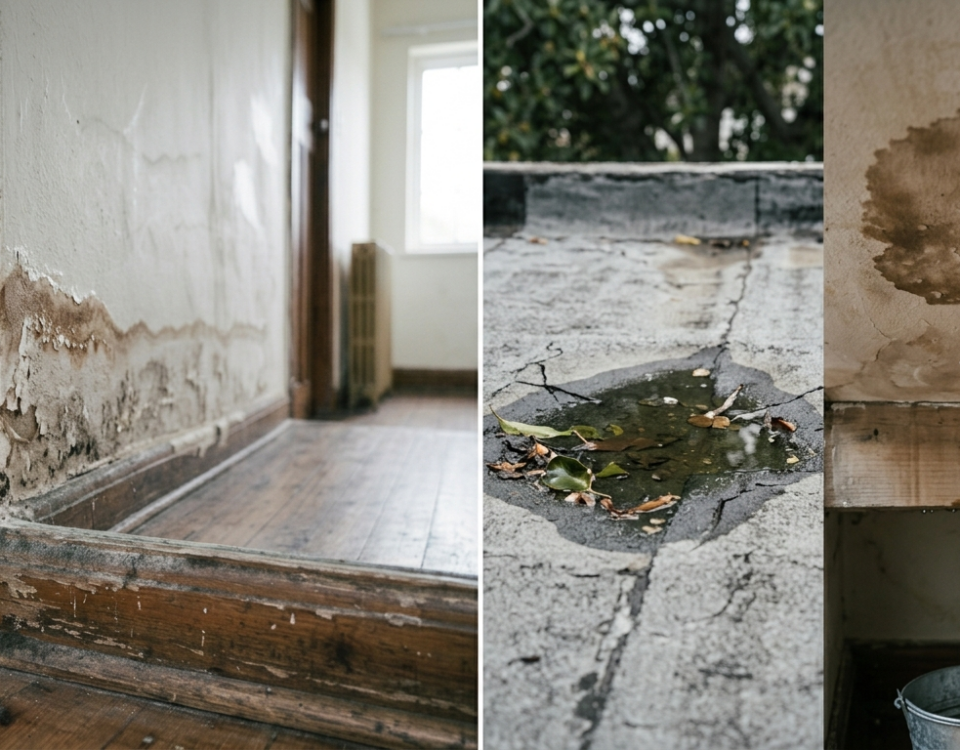
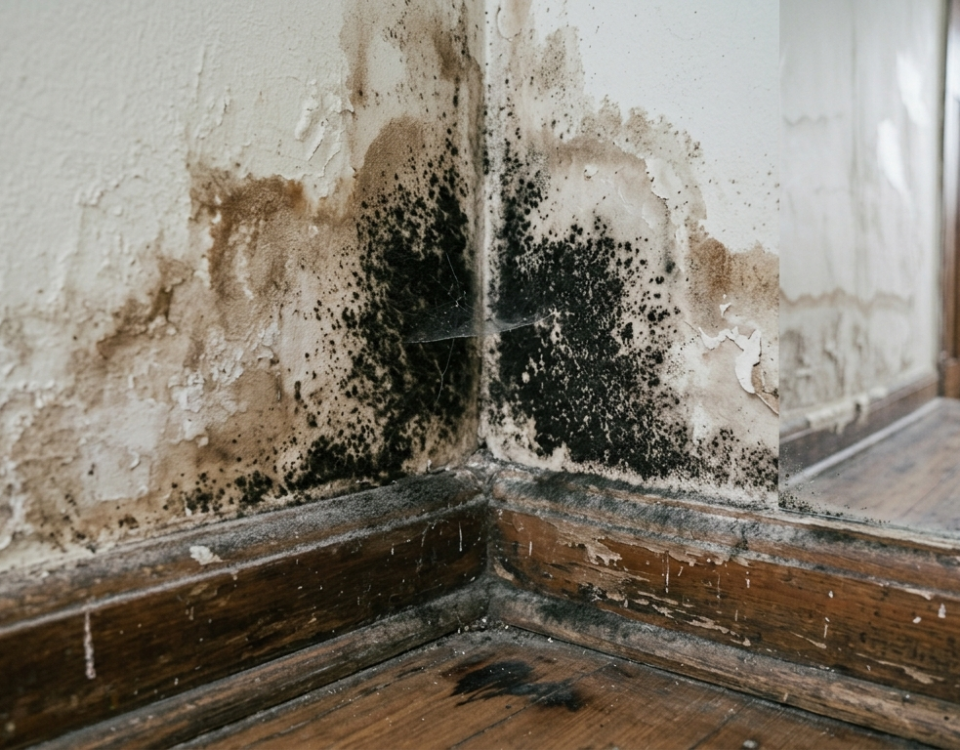
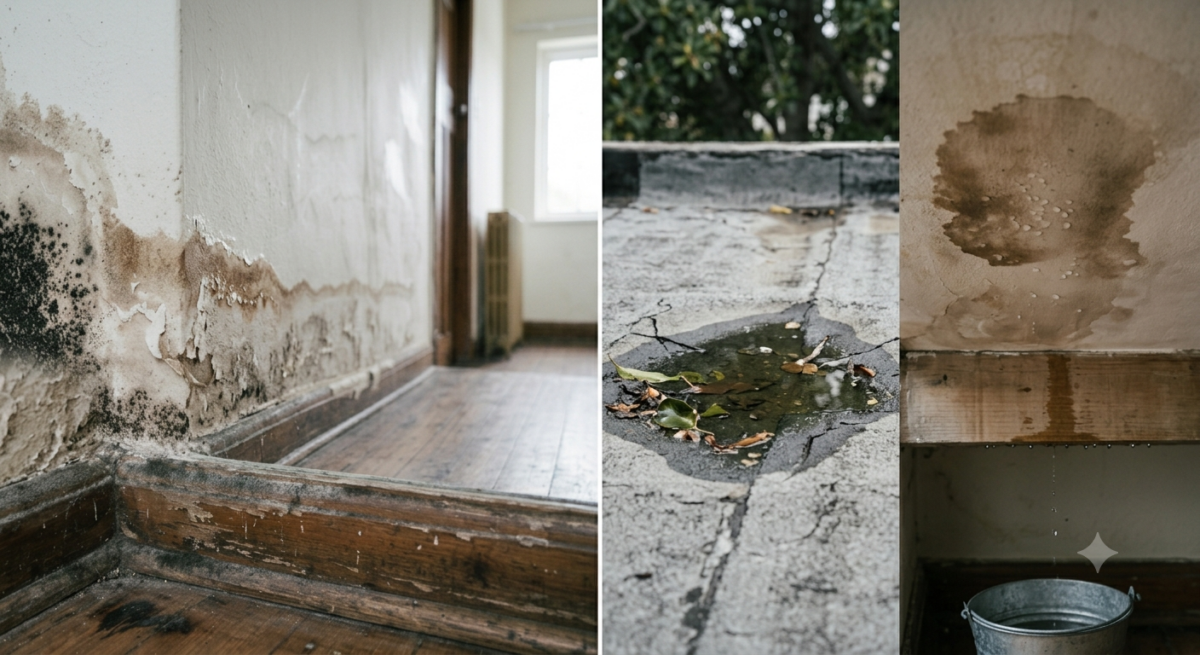
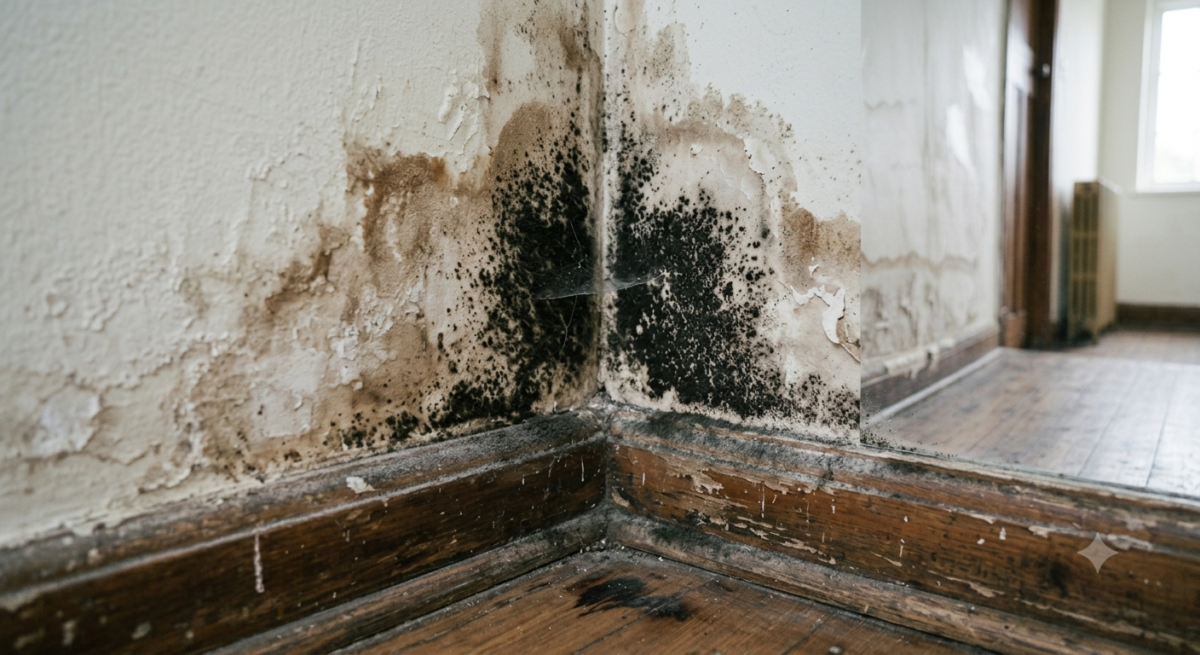
In most cases, damp in a rental property is the landlord’s responsibility to treat, because it is caused by a structural issue with the building rather than the tenant’s behaviour. Rising damp, penetrating damp, and lateral damp are all structural problems. Condensation caused by inadequate ventilation can sometimes be a shared responsibility. A professional assessment is the most effective way to establish what type of damp is present and who is responsible for fixing it. Read on for the full breakdown.
Damp in a rental property is one of the most common disputes between landlords and tenants in Cape Town. The tenant says the building is causing the problem. The landlord says the tenant is not ventilating the property properly. Without a professional assessment, neither side can prove their case, and the damp continues to get worse while the dispute goes on.
Colin Brown from Cape Damp Specialists is frequently called in to assess rental properties at the request of landlords, tenants, and property managers. Here is the clearest guidance he can offer on how the responsibility question is usually resolved.
The Legal Position in South Africa
The Rental Housing Act requires landlords to maintain a rental property in a state that is reasonably suitable for habitation. A property with untreated rising damp, mould, or significant moisture ingress that affects the health or comfort of the tenant does not meet this standard. If the damp is caused by a structural defect, which is the case with rising damp, penetrating damp, and lateral damp, the responsibility for treatment lies with the landlord.
Tenants are responsible for their own behaviour within the property, which is where condensation disputes arise. A tenant who does not ventilate a bathroom, dries laundry indoors without ventilation, or keeps windows permanently closed in a cold property can contribute to condensation and mould. This is the one area where the responsibility is less clear-cut.
How to Tell the Difference: Structural Damp vs Condensation
This is where a professional assessment adds real value in a dispute situation. Structural damp, which includes rising damp, penetrating damp, and lateral damp, leaves specific signs that a specialist can identify with moisture meters and visual inspection. Condensation also has identifiable characteristics and appears in different locations to structural damp.
Colin Brown from Cape Damp Specialists can provide a written assessment that identifies the damp type and its cause. This document is useful for both parties in a dispute and for property managers who need clear documentation before instructing repair work.
Advice for Landlords
If a tenant reports damp, the worst thing a landlord can do is dismiss it or attribute it to the tenant’s ventilation habits without an assessment. If the damp is structural and goes untreated, the landlord is exposed to liability under the Rental Housing Act and potentially to a deteriorating property that costs significantly more to treat the longer it is left.
Get the property assessed by a professional. If the damp is structural, treat it. If the damp is condensation-related, address the ventilation issue, whether that means installing an extractor fan or speaking to the tenant about ventilation habits. Document everything.
Advice for Tenants
If you have reported damp to your landlord and received no response, document the damp with photographs with dates, keep copies of all written communications, and formally request in writing that the landlord arrange a professional assessment and treatment. Under the Rental Housing Act, a tenant can also approach the Rental Housing Tribunal if a landlord persistently fails to maintain a property.
If you are not sure whether the damp in your rental property is structural or condensation-related, an independent assessment from Cape Damp Specialists will give you a clear answer. For properties where damp has been flagged in an inspection report, read our guide on what a damp inspection report finding actually means.
Body Corporates and Sectional Title Properties
In a sectional title property, responsibility for damp depends on where the moisture source is. Damp originating from common property, the roof, external walls, drainage systems, is typically the body corporate’s responsibility. Damp that originates within the section itself may be the owner’s responsibility. A professional assessment that identifies the source clearly is essential before any responsibility decisions are made.
“I do a lot of assessments for property managers who need a written opinion on what is causing the damp before they can instruct repair work or resolve a dispute. Getting the professional diagnosis done early saves everyone time and money.”
Need a professional damp assessment for a rental property in Cape Town? Colin Brown from Cape Damp Specialists provides written reports for landlords, tenants, and property managers. Call 060 886 2970 or send a WhatsApp.

Over 20 years’ experience specialising in rising damp, based in Goodwood and serving homes across Cape Town, Somerset West, Strand, Paarl, Langebaan and Wellington.
If the damp is caused by a structural issue with the building, the landlord is responsible under the Rental Housing Act. A tenant can only be held responsible for damp caused directly by their behaviour, such as persistent condensation from inadequate ventilation. A professional assessment is the clearest way to establish the cause.
The Rental Housing Act does not specify exact timeframes for repairs but requires landlords to maintain properties in a habitable condition. Damp that causes mould or health issues should be treated promptly. If a landlord fails to act after written notice, the tenant can approach the Rental Housing Tribunal.
Yes. Colin Brown from Cape Damp Specialists can provide a written assessment identifying the type and source of damp for use in dispute resolution, property management decisions, or insurance purposes.