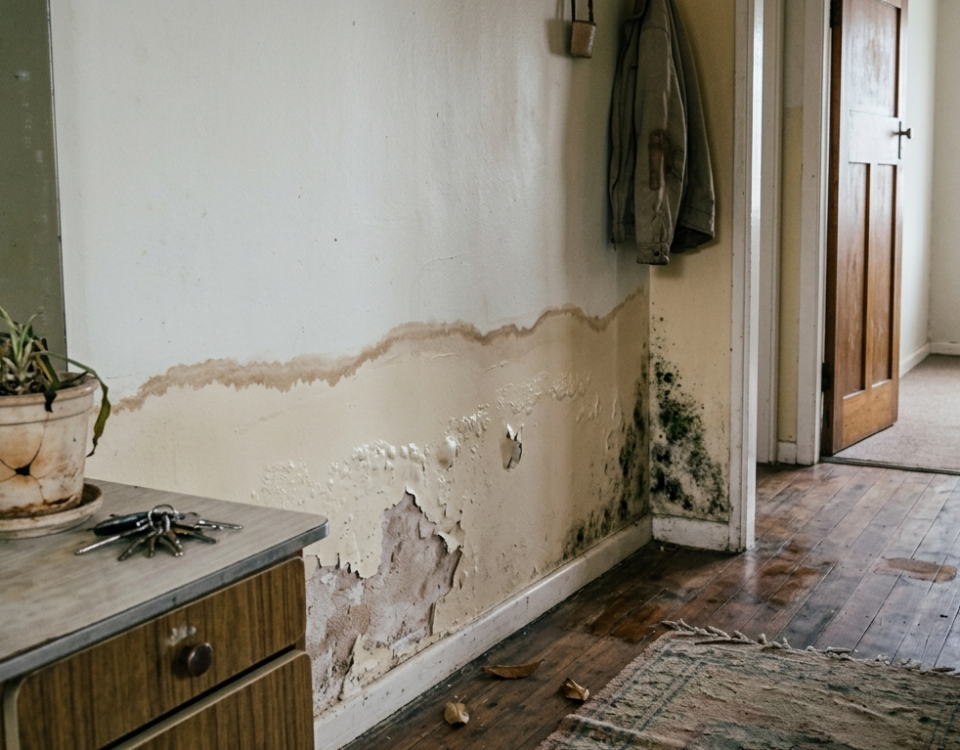
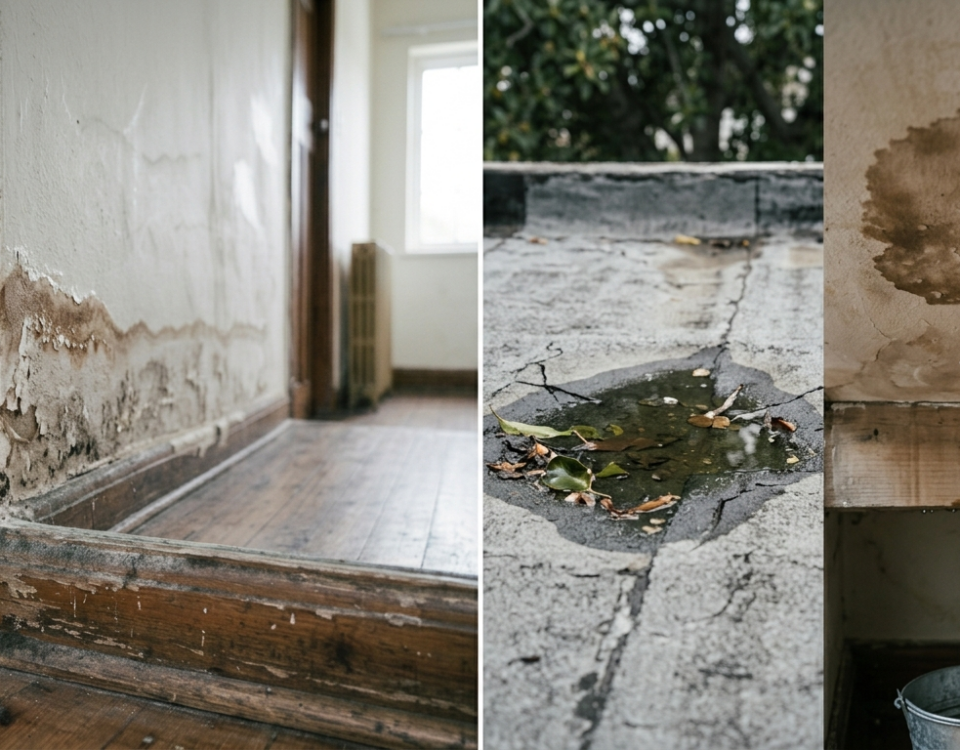
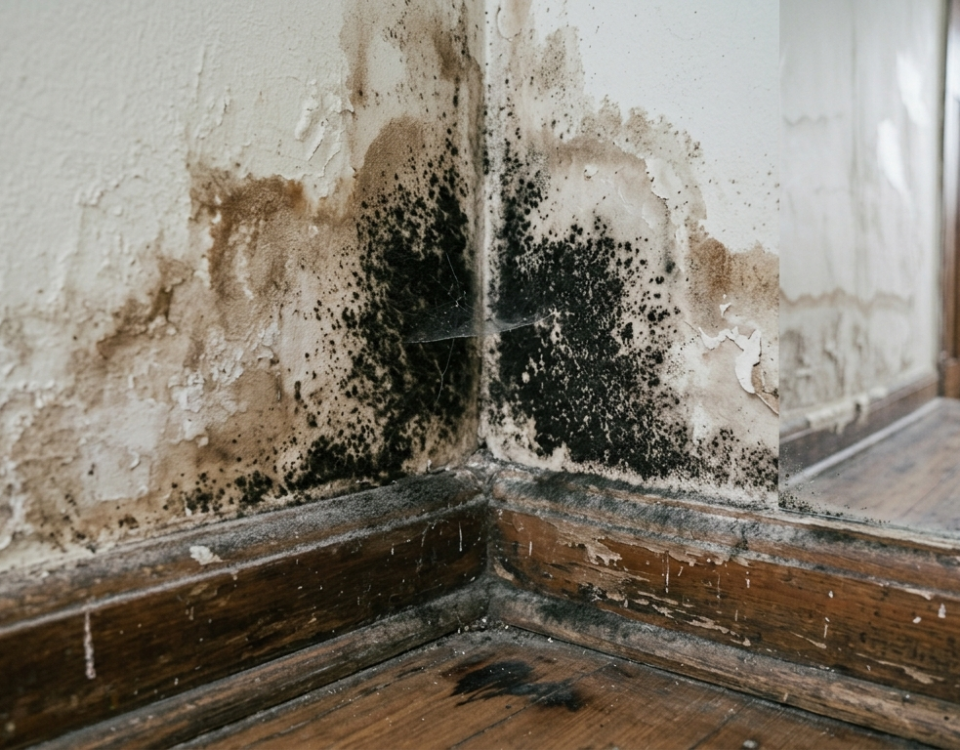
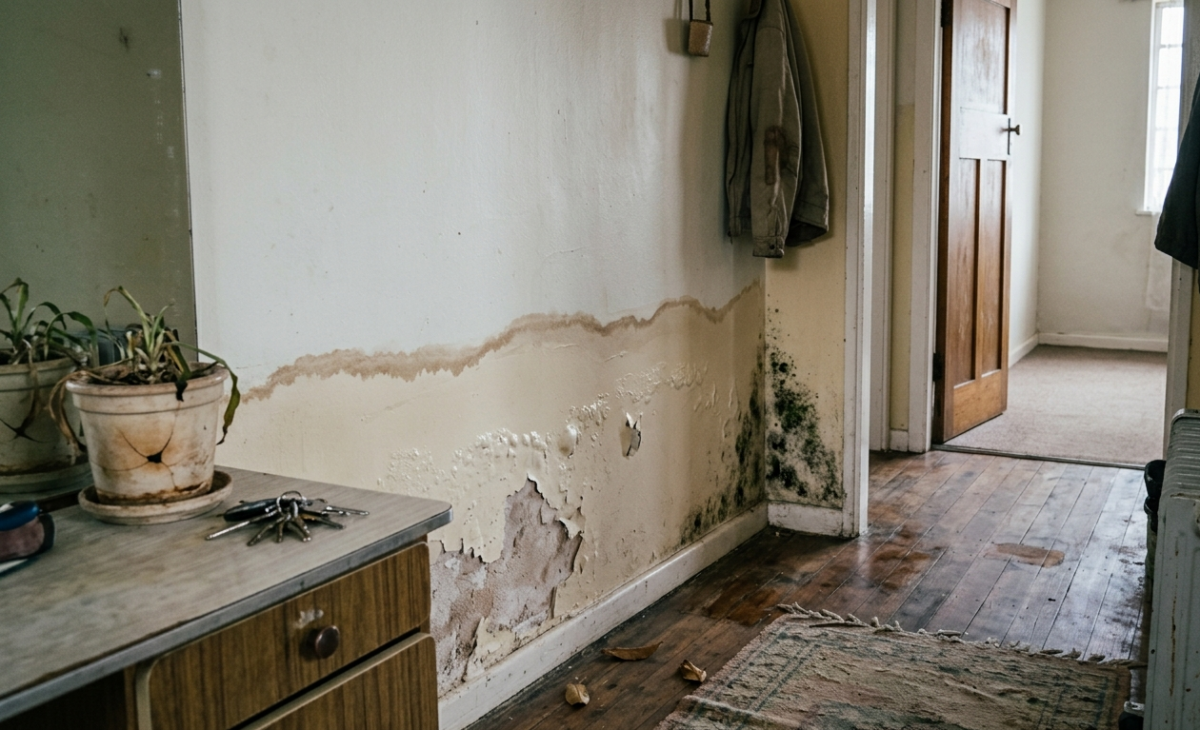
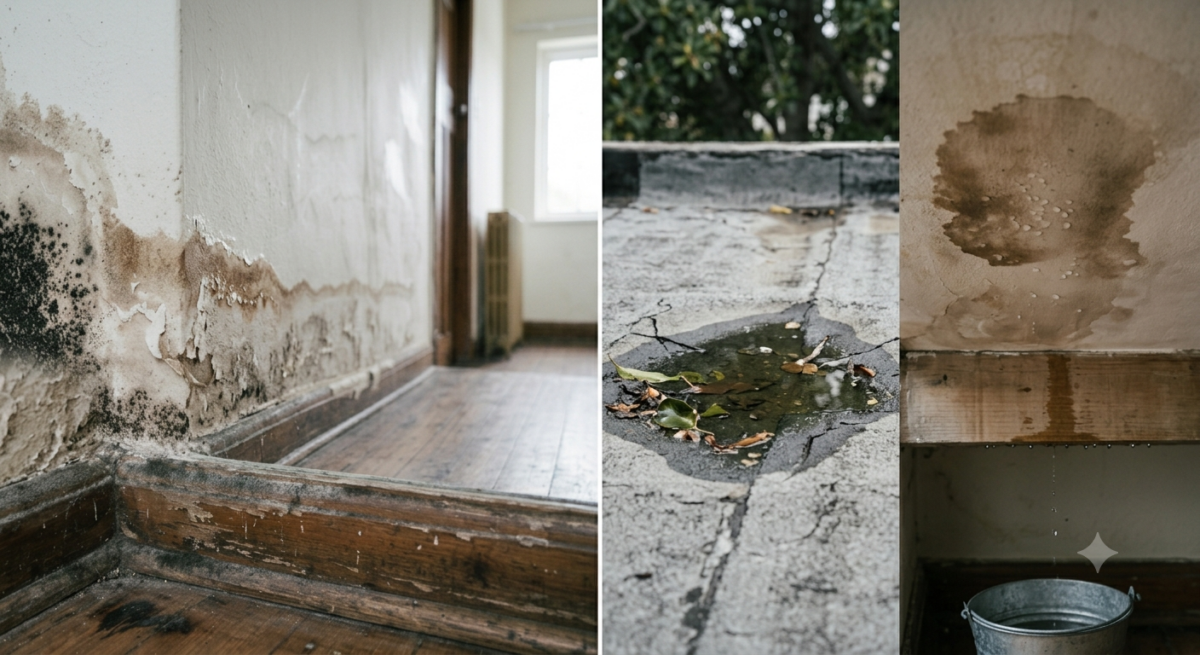
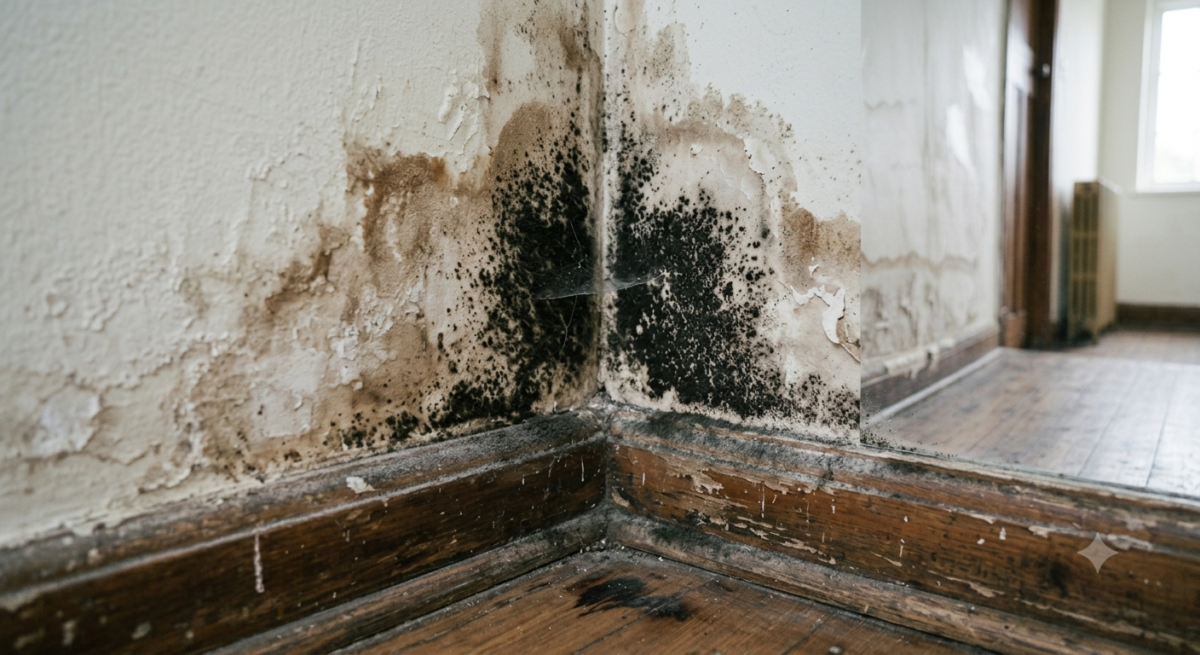
Cape Town’s damp problem is caused by a specific combination of factors: a wet winter with persistent wind-driven rain, clay-heavy soil that retains moisture against building foundations, a large proportion of older housing stock built before modern damp-proofing standards, and temperature differences between summer and winter that drive condensation. Understanding why Cape Town homes get damp helps homeowners know what to watch for and when to act. Read on for the full explanation.
If you have owned or rented property in Cape Town for more than a year, you have probably encountered damp in some form. It is the city’s most common property maintenance complaint. But it is not a random problem. There are specific reasons why Cape Town homes get damp at the rate they do, and understanding them helps you protect your property.
Colin Brown from Cape Damp Specialists has been treating damp in Cape Town for over 20 years. These are the factors he sees at work on almost every property he assesses.
The Cape Town Winter Is Unusually Wet and Persistent
Cape Town receives the majority of its annual rainfall between May and August. What makes it particularly hard on buildings is not just the volume of rain but the manner it arrives: sustained periods of wind-driven rain from the south-west that hits buildings for hours or days at a time. This sustained soaking is far more aggressive on building materials than short heavy showers followed by dry spells.
The south-wester drives rain directly into west-facing and south-facing walls, forcing water into any crack, gap, or porous surface it can find. This is the primary cause of penetrating damp in Cape Town properties and it is specific to the city’s weather pattern in a way that most of inland South Africa does not experience.
Cape Town’s Soil Holds Moisture
Large parts of Cape Town, particularly the Northern Suburbs from Goodwood through to Bellville, Parow, and Brackenfell, sit on clay-heavy soil. Clay retains moisture exceptionally well. After a wet winter, the soil surrounding a building’s foundations and lower walls remains saturated for weeks or months, maintaining constant moisture pressure against the masonry.
This sustained moisture contact is what drives rising damp and lateral damp in these suburbs. The soil does not dry out quickly, which means the moisture source is consistently active throughout the winter and well into spring.
Much of Cape Town’s Housing Stock Is Old
A significant proportion of Cape Town’s residential properties were built before the 1970s, many before the 1960s. Modern building standards include effective damp-proof courses, cavity walls, and controlled drainage as standard elements. Older construction often did not include these features, or included them in forms that have deteriorated after fifty or more years.
In suburbs like Goodwood Estate, Parow, Bellville South, and parts of the Southern Suburbs, it is entirely common to find homes with no functioning damp-proof course at all. In these properties, the only thing keeping ground moisture out of the building is the masonry itself, and masonry is not waterproof.
Temperature Swings Drive Condensation
Cape Town experiences significant temperature differences between the warmth of summer and the cold of winter. In winter, the difference between indoor and outdoor temperatures creates conditions where warm moist air inside a home hits cold wall surfaces and condenses into water. This condensation is not the same as rising or penetrating damp but it can produce similar visible effects: moisture on walls, mould growth on cold surfaces, and a persistently damp feel to certain rooms.
Condensation is most common in bathrooms, kitchens, and north-facing rooms that receive little winter sun. It is often misdiagnosed as rising damp when the real cause is inadequate ventilation combined with cold wall surfaces.
What This Means for Cape Town Homeowners
Cape Town’s combination of climate, soil, and building age means damp is not a sign of neglect. It is a predictable maintenance challenge that most properties in the city will face at some point. The difference between a property that manages it and one that is damaged by it is usually timing. Treating damp early, before winter arrives or as soon as signs appear, prevents the problem from compounding.
For a practical checklist of what to look for before winter, read our guide on how to prepare your Cape Town home for damp before winter. For a full explanation of the different damp types you might encounter, read our guide to the difference between rising damp, penetrating damp and lateral damp.
“I work in Goodwood, Bellville, Parow, and the surrounding suburbs most often. The clay soil and older housing stock there make rising damp almost inevitable if the damp-proof course was never installed properly. It is not a reflection on the homeowner. It is just the nature of the area.”
Dealing with damp in your Cape Town home? Colin Brown from Cape Damp Specialists covers the Northern Suburbs, Southern Suburbs, and surrounding areas. Call 060 886 2970 or send a WhatsApp for a free assessment.

Over 20 years’ experience specialising in rising damp, based in Goodwood and serving homes across Cape Town, Somerset West, Strand, Paarl, Langebaan and Wellington.
Yes. Suburbs on clay-heavy soil, particularly in the Northern Suburbs such as Goodwood, Bellville, Parow, and Brackenfell, have higher rates of rising damp because the soil retains moisture against building foundations for longer. Coastal areas and south-facing properties experience more penetrating damp from wind-driven rain.
Both. Cape Town’s winter rains can expose damp problems that were not visible in summer and can accelerate existing moisture ingress through walls and foundations.
Damp is common across all property types in Cape Town. Rented properties with older building stock and less frequent maintenance attention are sometimes affected for longer before the issue is reported and treated.