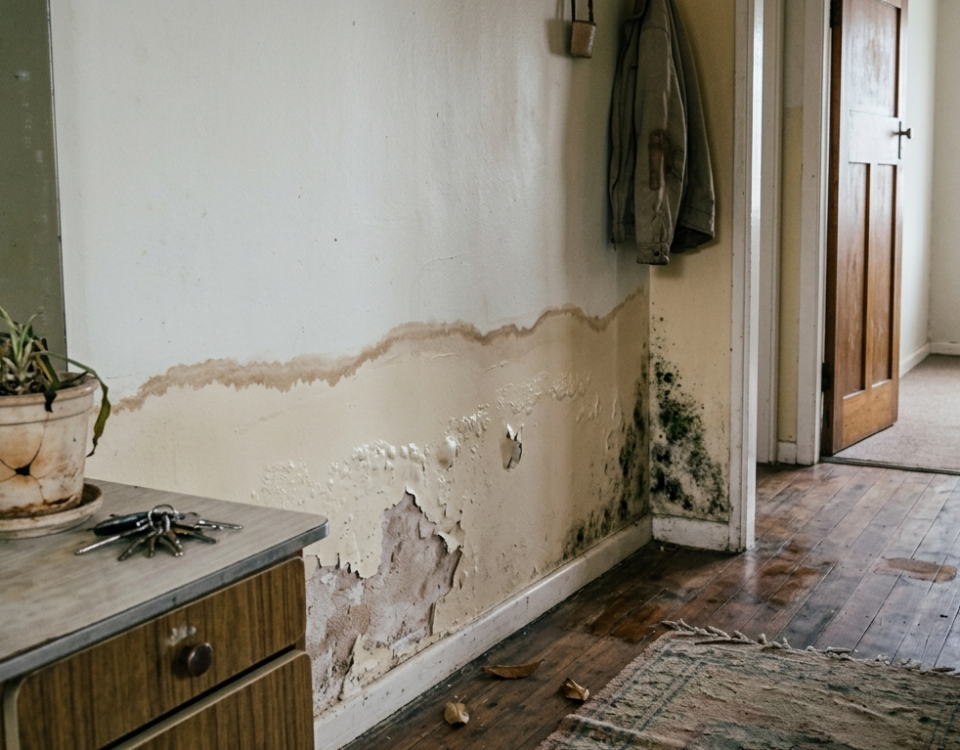
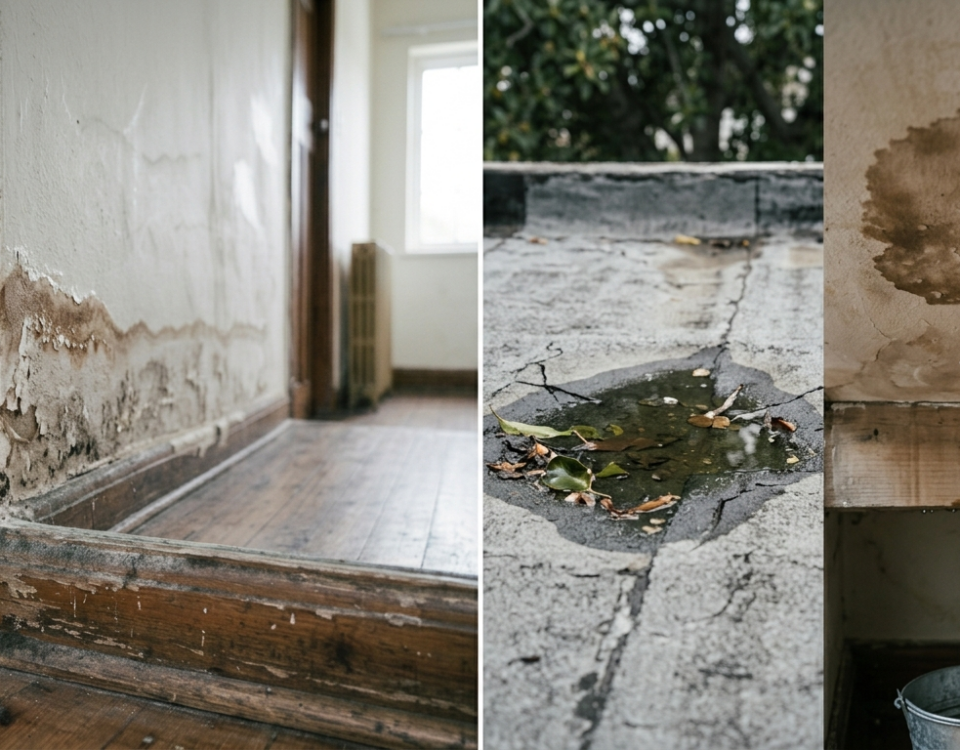
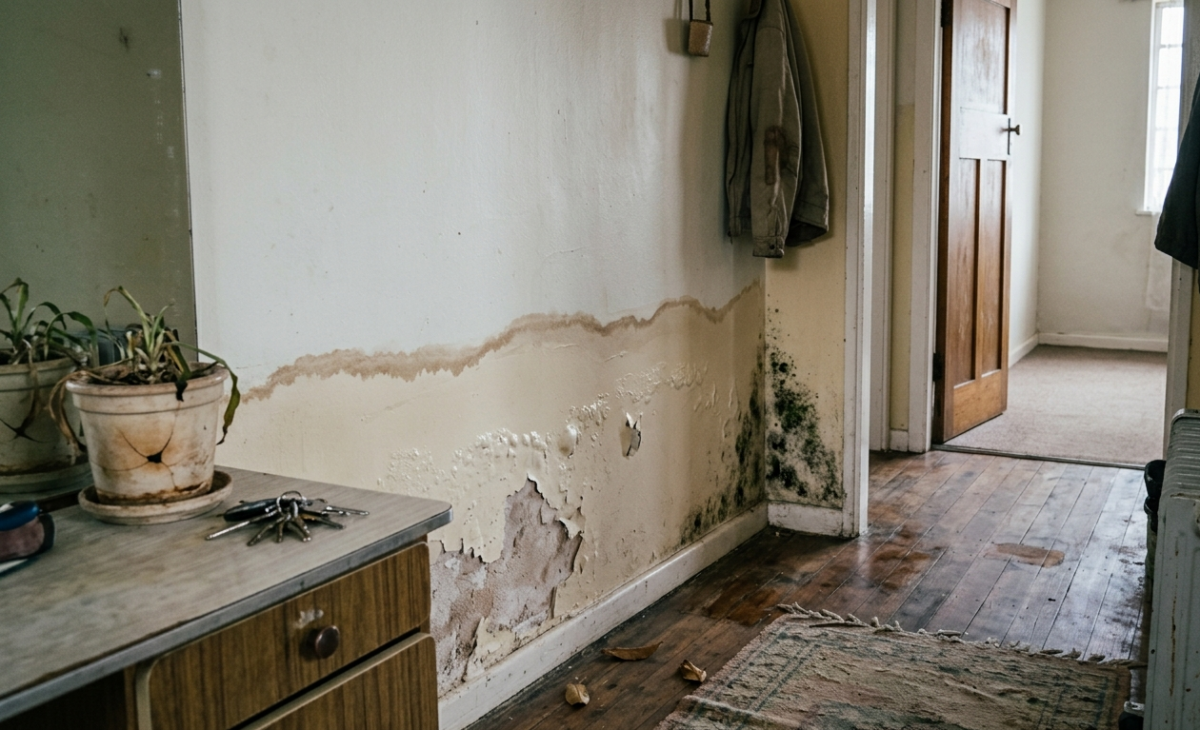
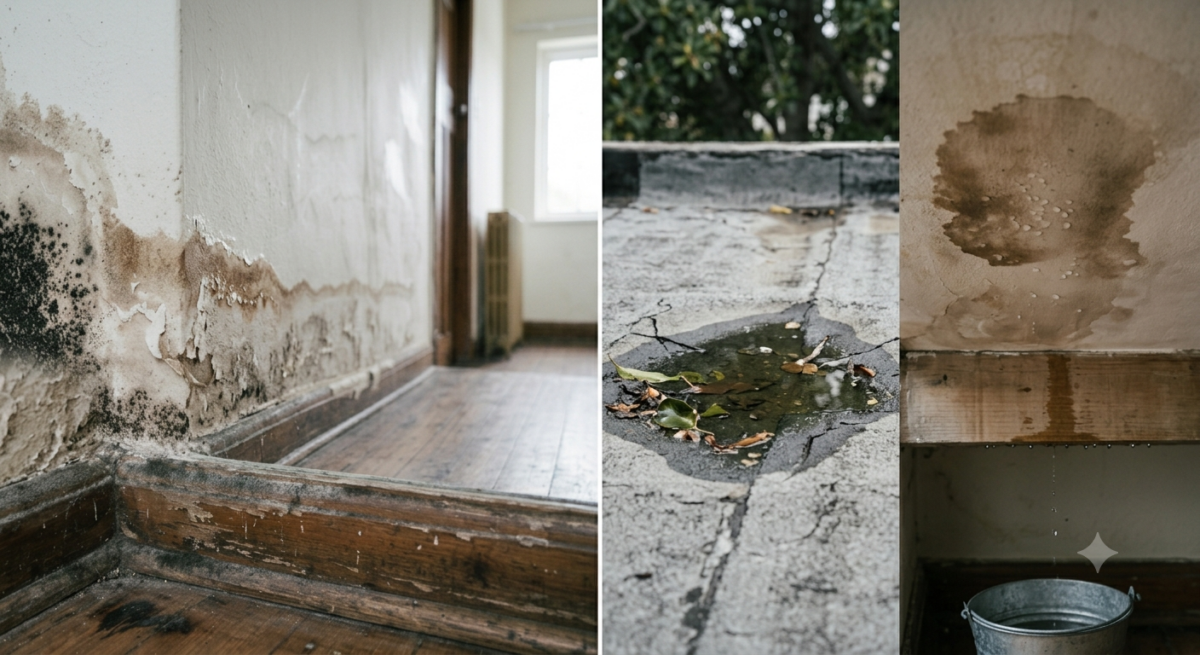
If a home inspection report has flagged damp, do not panic. It does not automatically mean structural damage or a deal-breaker. It means moisture has been detected and the source needs to be identified and treated. Whether you are buying, selling, or managing a property, a professional damp assessment will tell you exactly what you are dealing with, what it will take to fix it, and what it will cost. Read on for what the different findings typically mean.
You are in the middle of a property transaction and the inspection report comes back with damp flagged. Or your agent calls to say the buyer’s inspector found moisture readings on the lower walls. It is one of the most stressful moments in a property sale, and it happens regularly in Cape Town where the housing stock is old and the winters are wet.
Colin Brown from Cape Damp Specialists is frequently called in to assess properties at exactly this moment. Here is what you need to know.
What Inspection Reports Actually Measure
Most property inspectors use a moisture meter to measure the moisture content of walls. A reading above a certain threshold is flagged as damp. What the report often does not tell you is what type of damp it is, what is causing it, or how serious it is. A high moisture reading could be rising damp, penetrating damp, a plumbing leak, or in some cases, residual moisture from recent rain that will resolve on its own.
A damp assessment from a specialist like Colin Brown goes further. It identifies the damp type, the source, and what treatment is required. This is the information you actually need to make decisions about the property.
If You Are the Seller
Damp flagged in an inspection report does not have to kill a sale. What it does require is a response. The options are straightforward: get the damp professionally assessed, get a quote for treatment, either treat it before the sale or negotiate the cost off the purchase price with documentation. Buyers are far more comfortable with a damp problem that has a clear diagnosis and a quoted solution than with an unexplained reading on a moisture meter.
Cape Damp Specialists provides written assessments and quotes that can be shared with buyers and their agents. This turns an inspection finding from a negotiating problem into a resolved item.
If You Are the Buyer
If the property you want to buy has damp flagged in the report, your first step is to understand what you are actually dealing with before you renegotiate or walk away. A small rising damp issue on one wall is very different from ongoing penetrating damp caused by a structural defect. Get an independent assessment from a specialist before making any decisions based on the inspection report alone.
Colin Brown can assess a property that is in transfer and provide a written report within a few days, which is usually well within the timeframes of a property transaction.
Body Corporates and Rental Properties
Damp findings in sectional title units or rental properties raise additional questions about who is responsible for treatment. This is covered in detail in our guide to damp in rental properties and who is responsible for it. In short, the answer usually depends on whether the damp is caused by a structural issue, which is the body corporate or landlord’s responsibility, or by the occupant’s behaviour, which is less common for damp-proofing scenarios.
“A damp reading on an inspection report is not a verdict. It is a starting point. I assess properties in transfer regularly and the findings are rarely as alarming as the initial report makes them seem. Get it properly assessed before anyone makes a decision.”
Need a damp assessment for a property in Cape Town? Colin Brown from Cape Damp Specialists provides written assessments and quotes. Call 060 886 2970 or send a WhatsApp.

Over 20 years’ experience specialising in rising damp, based in Goodwood and serving homes across Cape Town, Somerset West, Strand, Paarl, Langebaan and Wellington.
Yes. Damp in an inspection report does not have to stop a sale. It needs to be assessed, quoted, and either treated or factored into the sale price. A written assessment and quote from a professional like Colin Brown from Cape Damp Specialists is usually enough to satisfy buyers and conveyancers.
Colin Brown from Cape Damp Specialists can typically assess a property and provide a written report within a few days of contact, which is usually well within property transfer timeframes.
Treated and documented damp is significantly better for property value than untreated damp. A written guarantee from a professional contractor adds to rather than detracts from the property’s condition record.