Cape Town winters are hard on homes. Before the rains arrive, check your walls for tide marks, inspect your roof and gutters, look for cracks around window frames, and make sure garden beds are not built up against your walls. Catching damp early is far cheaper than treating it after a wet winter. Read on for the full checklist.
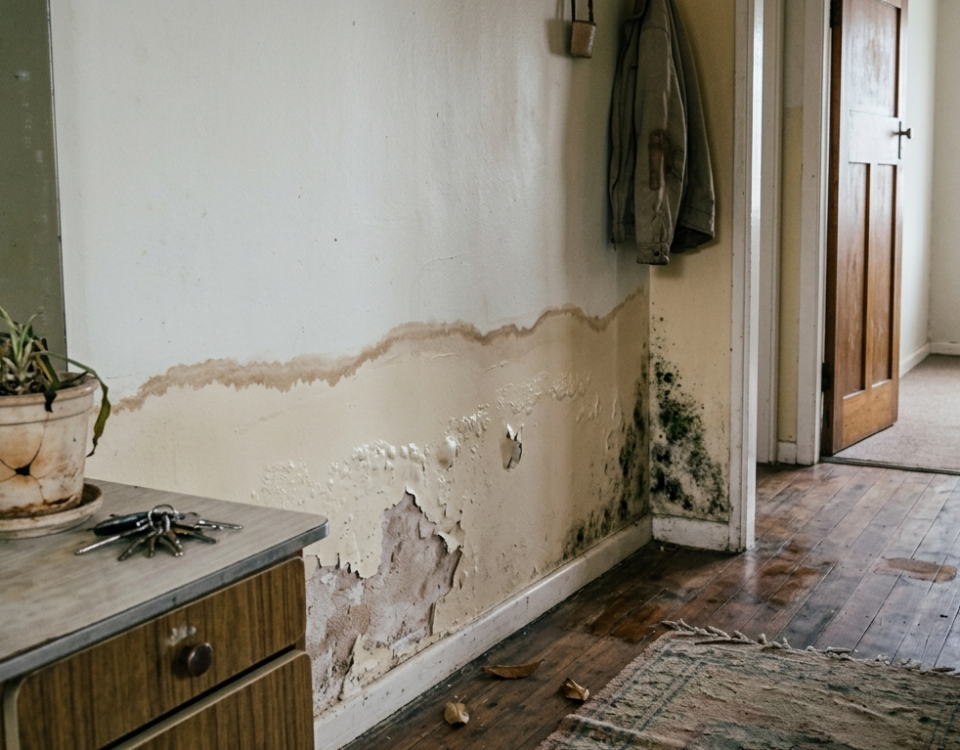
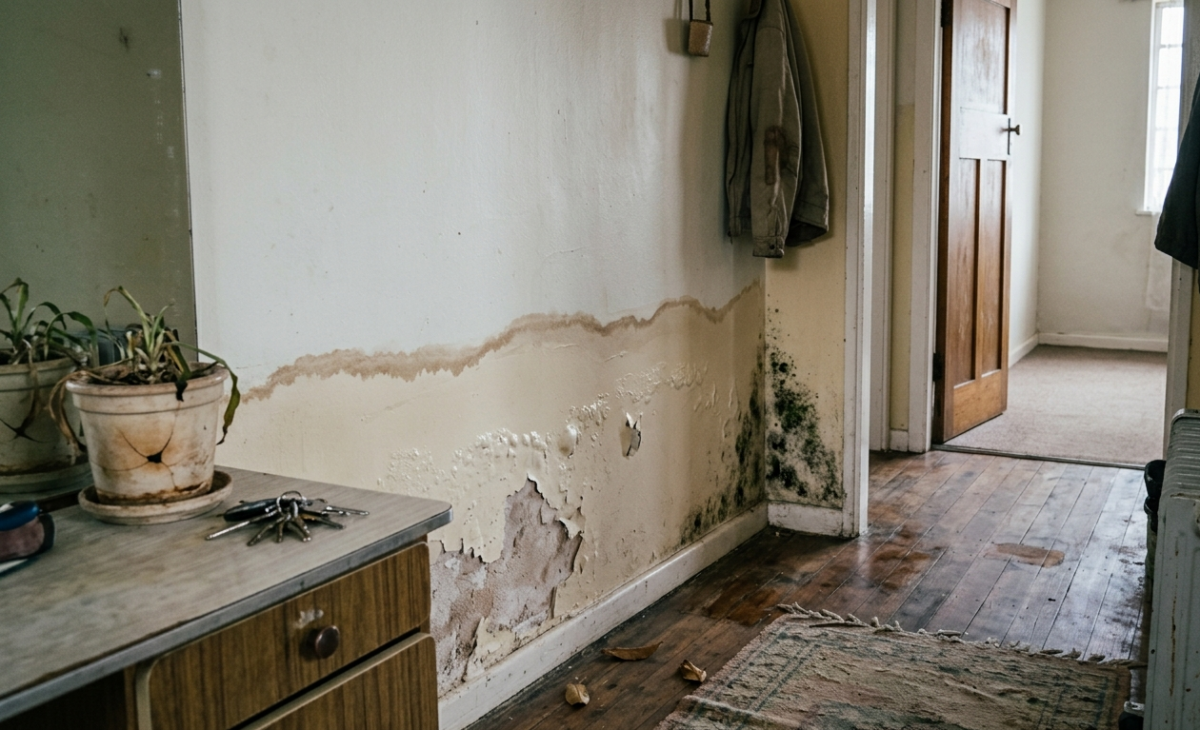
Every year, Cape Town homeowners discover the same thing in June: a tide mark on the lower wall that was not there in March, paint bubbling near the skirting boards, a musty smell in the back bedroom. The cause is almost always something that could have been spotted and sorted in April.
Colin Brown, founder of Cape Damp Specialists, has been treating damp in Cape Town homes for over 20 years. He sees the same preventable problems every winter. This is the checklist he recommends to every homeowner before the south-wester arrives.
Check Your Walls for Early Warning Signs
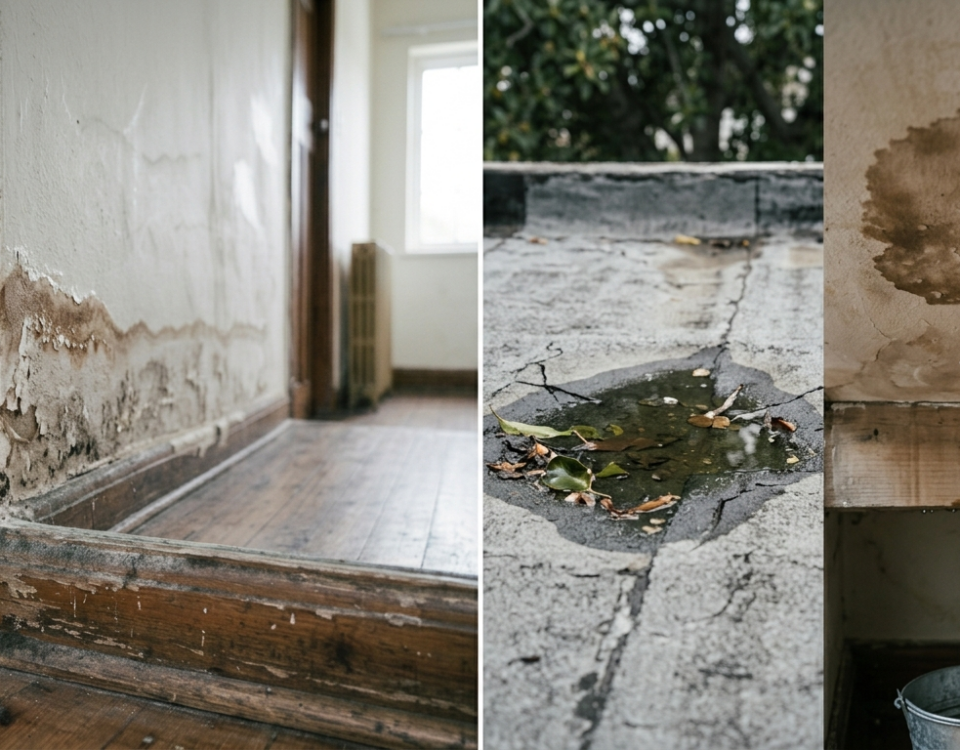
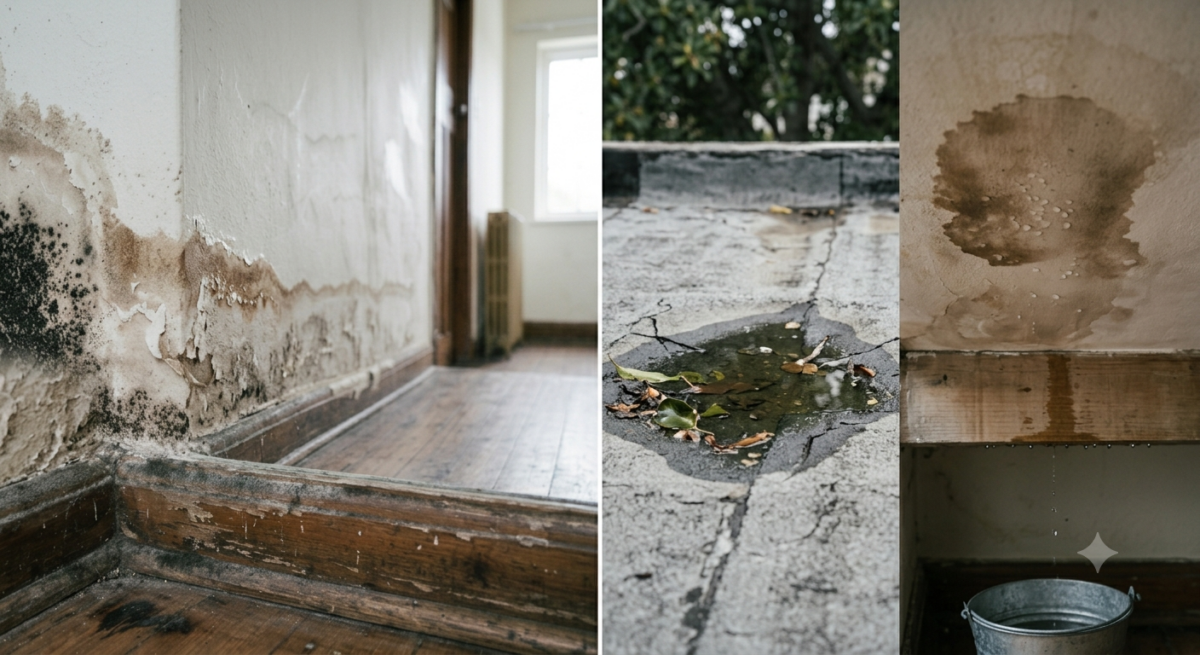
Walk the perimeter of your home and look at the lower walls, both inside and outside. A horizontal tide mark or discolouration in the bottom metre of an interior wall is a classic sign of rising damp beginning. White powdery deposits on external brickwork, known as efflorescence, indicate moisture already moving through the masonry.
Catching this in April means a straightforward treatment. Catching it in July means treating a problem that has had three months of Cape rain driving it further into the wall.
Inspect Gutters, Downpipes and Roof Edges
Blocked gutters are one of the most common causes of penetrating damp in Cape Town homes. When a gutter overflows, water runs down the exterior wall repeatedly and eventually finds its way through. Clear your gutters before May and check that downpipes are directing water away from the building’s foundations.
While you are up there, check the roof edge for cracked or lifted tiles, especially on south-facing and west-facing sections that take the brunt of Cape Town’s winter storms.
Check Around Windows and Door Frames
Cracks in the render around window and door frames are a common entry point for penetrating damp. Run your hand around every external frame and look for gaps where the frame meets the wall. Even a small crack can let significant water in over a wet Cape winter. A bead of external sealant applied in April costs almost nothing. Treating the penetrating damp it causes in August costs considerably more.
Look at What Is Built Up Against Your Walls
Garden beds, paving, and soil built up against an exterior wall are among the most overlooked causes of damp in Cape Town homes. When the ground level outside is higher than the internal floor level, moisture in the soil pushes directly against the wall. It is one of the main causes of lateral damp, particularly in properties on sloped sites in suburbs like Constantia, Hout Bay, and the Southern Suburbs.
If you have garden beds against your walls, check whether they are above the level of your internal floor. If they are, the soil needs to be lowered or a drainage channel installed.
When to Call a Professional Before Winter
If you spot any of the signs above, the best time to get them assessed is before the rain season begins. Colin Brown offers a free damp assessment with every quote at Cape Damp Specialists. An assessment in April or May means any treatment can be done and dried before the first winter storms arrive.
For more on what different types of damp look like, read our guide to the difference between rising damp, penetrating damp and lateral damp. If you are not sure whether you need damp-proofing or waterproofing, our post on the difference between the two explains exactly when you need each one.
“The calls I get in July are almost always problems that were visible in April. Damp does not fix itself over winter. It gets worse. A quick check in autumn saves a lot of time and money come summer.”
Ready to get your home checked before winter? Colin Brown from Cape Damp Specialists offers free assessments across Cape Town and surrounding areas. Call 060 886 2970 or send a WhatsApp.

Over 20 years’ experience specialising in rising damp, based in Goodwood and serving homes across Cape Town, Somerset West, Strand, Paarl, Langebaan and Wellington.
The best time is before the winter rains arrive, ideally between March and May. Treating damp in autumn means the work can dry properly before the wet season and prevents a small problem becoming a large one.
Look for tide marks on lower interior walls, white powdery deposits on external brickwork, bubbling or peeling paint near floor level, and musty smells in rooms. These are all early signs that damp is present.
Yes. Colin Brown includes a free assessment with every quote at Cape Damp Specialists. Contact us to arrange a visit before the Cape Town winter season.