Rising damp travels upward from the ground through masonry. Penetrating damp enters horizontally through defects in the external wall. Lateral damp comes from soil pressing against a wall where external ground levels are higher than the internal floor. Each type has different causes, different signs, and requires a different treatment. Getting the diagnosis right is essential, because treating the wrong type of damp does not fix the problem. Read on for a full breakdown of each.
Walk into most conversations about damp in Cape Town and the terms get used interchangeably. Rising damp. Damp walls. Moisture coming in. The problem is that damp is not one thing. It is several different things that happen for different reasons and need different treatments.
Colin Brown from Cape Damp Specialists has been diagnosing all three types for over 20 years. This is the clearest explanation of each one.
Rising Damp
What it is
Rising damp occurs when moisture from the ground is drawn upward through masonry by capillary action. Think of it like a dry sponge sitting in water. The sponge draws the water up through its structure without any pressure being applied. Masonry works in the same way. All buildings are built on or near ground with moisture in it. The damp-proof course, a horizontal barrier built into the wall, is what stops that moisture rising into the building. When the damp-proof course fails or was never installed, moisture rises.
What it looks like
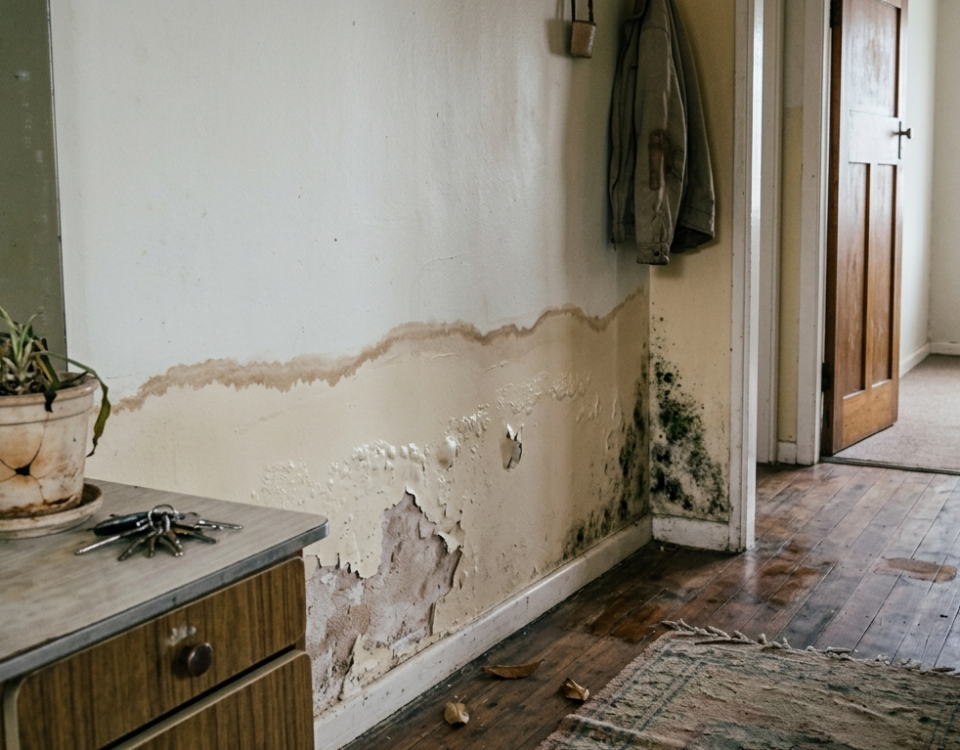
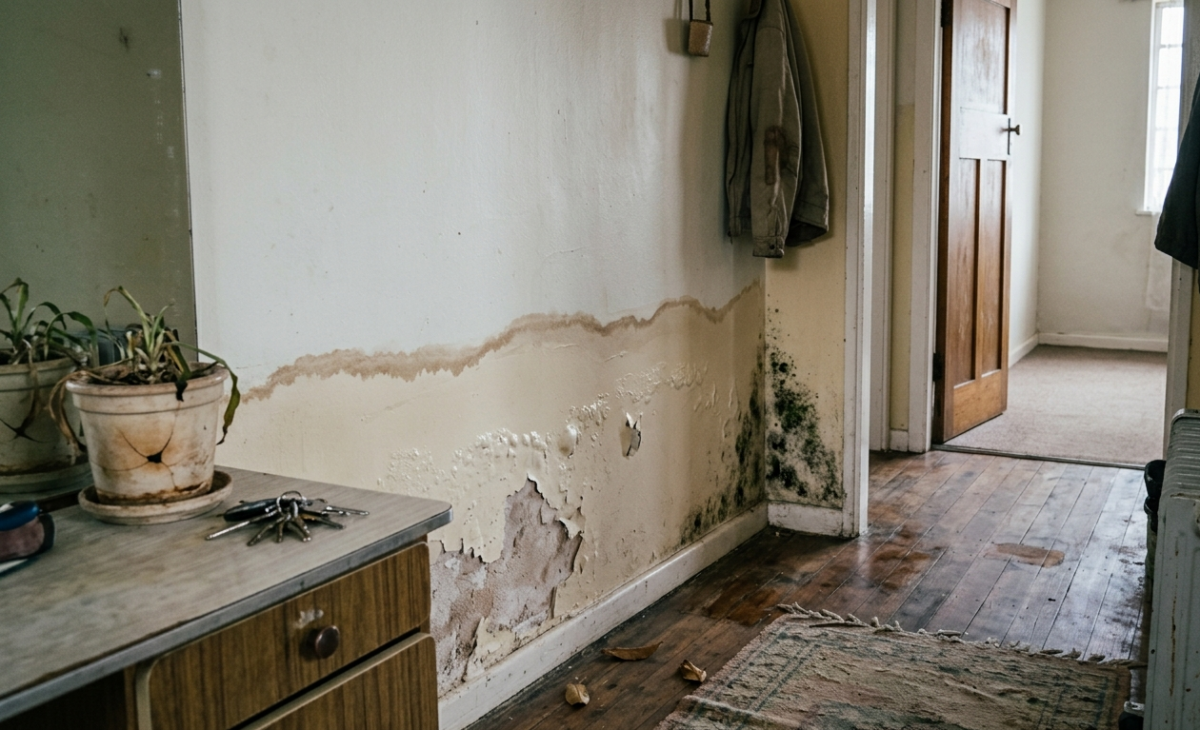
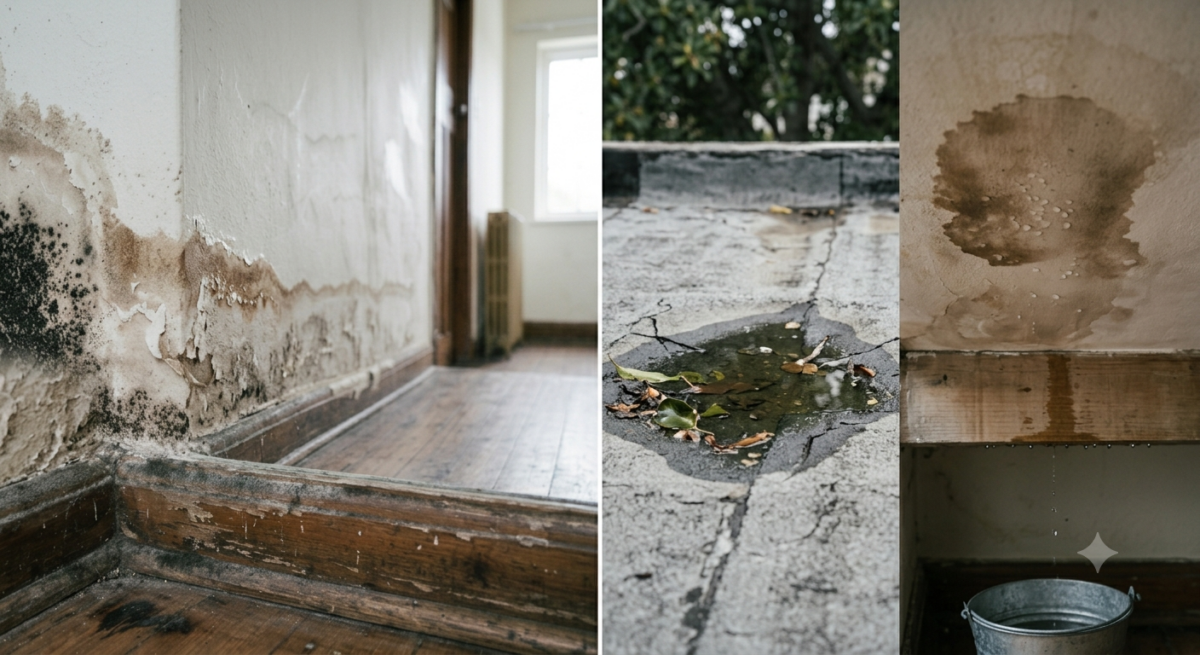
A horizontal tide mark on the lower interior wall, typically between 300mm and 1 metre from the floor. White powdery salt deposits on brickwork or plaster. Peeling paint or plaster near skirting board level. In Cape Town’s older homes, particularly in the Northern Suburbs, rising damp is one of the most commonly misdiagnosed problems because the signs are often attributed to general ageing of the property.
What the treatment is
Treatment involves installing a new chemical damp-proof course by injecting a damp-proofing cream into the mortar course at a consistent height around the wall. The cream sets and forms a horizontal barrier that interrupts the capillary rise. Affected plaster is removed, the injection is done, and the wall is replastered with a breathable system. This is Cape Damp Specialists’ primary speciality.
Penetrating Damp
What it is
Penetrating damp enters a building horizontally through defects in the external envelope. Unlike rising damp which comes from below, penetrating damp comes from outside. The entry points are almost always a defect of some kind: a crack in the render, a failed joint around a window frame, a damaged roof tile, a deteriorated wall surface, or an area of porous brickwork that has been repeatedly soaked by driven rain.
What it looks like
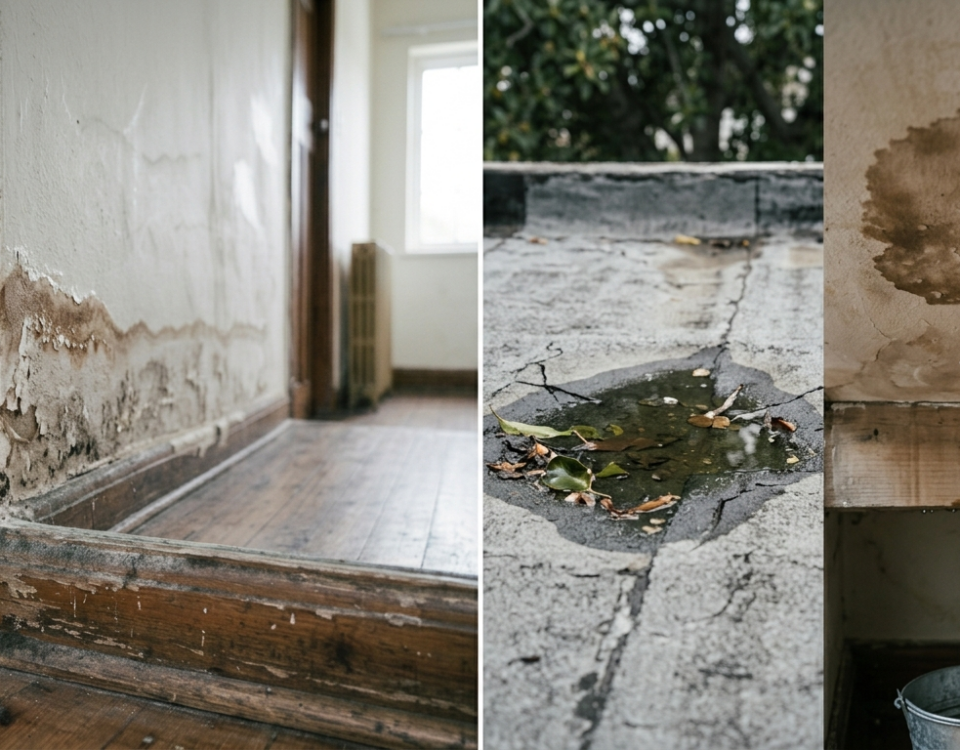
Penetrating damp tends to appear after or during rain. Damp patches or staining on an interior wall that appear when it rains and dry out when it stops are a strong indicator. It can appear anywhere on a wall, not just at the bottom, which is one of the key differences from rising damp. In Cape Town, south-facing and west-facing walls take the heaviest wind-driven rain and are the most common locations for penetrating damp.
What the treatment is
Treatment depends entirely on finding and fixing the entry point. This might involve repointing mortar joints, sealing cracks, replacing damaged window seals, repairing roof elements, or applying a surface waterproofing treatment to a porous wall section. There is no single treatment for penetrating damp. It requires identifying the specific defect and addressing it directly.
Lateral Damp
What it is
Lateral damp occurs when soil moisture presses against a wall from the side. It is caused by external ground levels being higher than the internal floor, meaning the soil surrounding the property is in direct contact with the wall at or below floor level. The pressure of moisture in the soil, especially after heavy Cape Town rain, drives water directly through the wall into the interior.
What it looks like
Damp patches low on interior walls, often at or below floor level, that are most pronounced after heavy rain or in winter when the surrounding soil is saturated. It is common in properties on sloped sites, in below-ground rooms, near retaining walls, and in properties where garden beds have been built up against exterior walls over time.
What the treatment is
Treatment typically involves a tanking system, applying a waterproof membrane to the affected wall surface, and improving drainage around the property where possible. Lowering external ground levels where garden beds or paving have been raised against the wall is often part of the solution.
Why Getting the Diagnosis Right Matters
Each of these three damp types requires a different treatment. Applying rising damp injection to a wall with penetrating damp will not fix the problem because the source of moisture, which is the external defect, has not been addressed. Treating penetrating damp entry points on a wall where the actual issue is lateral pressure from raised soil will also fail.
This is why Colin Brown from Cape Damp Specialists assesses every property before recommending any treatment. The assessment identifies which type of damp is present and confirms the source before anything else is discussed. If you are preparing for winter, read our guide on how to prepare your Cape Town home for damp before winter. If you are unsure whether you need damp-proofing or waterproofing, our guide to the difference between the two explains exactly when you need each one.
“I see misdiagnosed damp regularly. Someone has had a treatment done by a contractor who guessed at the problem without properly assessing it. The homeowner paid for work that did not fix anything because the wrong problem was treated. Diagnosis first, always.”
Not sure what type of damp you have? Colin Brown from Cape Damp Specialists will assess your Cape Town property and give you a clear diagnosis. Call 060 886 2970 or send a WhatsApp.

Over 20 years’ experience specialising in rising damp, based in Goodwood and serving homes across Cape Town, Somerset West, Strand, Paarl, Langebaan and Wellington.
Yes. It is common for Cape Town properties, especially older ones, to have both rising damp on lower walls and penetrating damp from a specific defect elsewhere. A proper assessment identifies all sources.
If the damp appears as a horizontal tide mark on lower walls and is present whether or not it has rained recently, it is more likely rising damp. If it appears after rain and on a specific section of wall that faces the prevailing wind or rain, penetrating damp is more likely.
No. Rising damp comes from ground moisture travelling upward through masonry. Lateral damp comes from soil pressing against the wall from the side. The two require different treatments.