Rising damp shows up as a tide mark on lower walls, white salt deposits on brickwork, peeling paint near the floor, a persistent musty smell, and cold or damp patches on interior walls. It is caused by moisture travelling up through masonry from the ground and is one of the most common damp problems in older Cape Town homes. Read on for what each sign looks like and what to do about it.
You noticed something after the last rainstorm. A watermark low on the wall. Paint starting to lift near the skirting boards. A smell in the room that was not there last summer. Before you assume the worst or dismiss it as condensation, it is worth knowing exactly what rising damp looks like.
Colin Brown has been diagnosing and treating rising damp in Cape Town homes for over 20 years. These are the five signs he looks for when assessing a property.
Sign 1: A Tide Mark on the Lower Wall
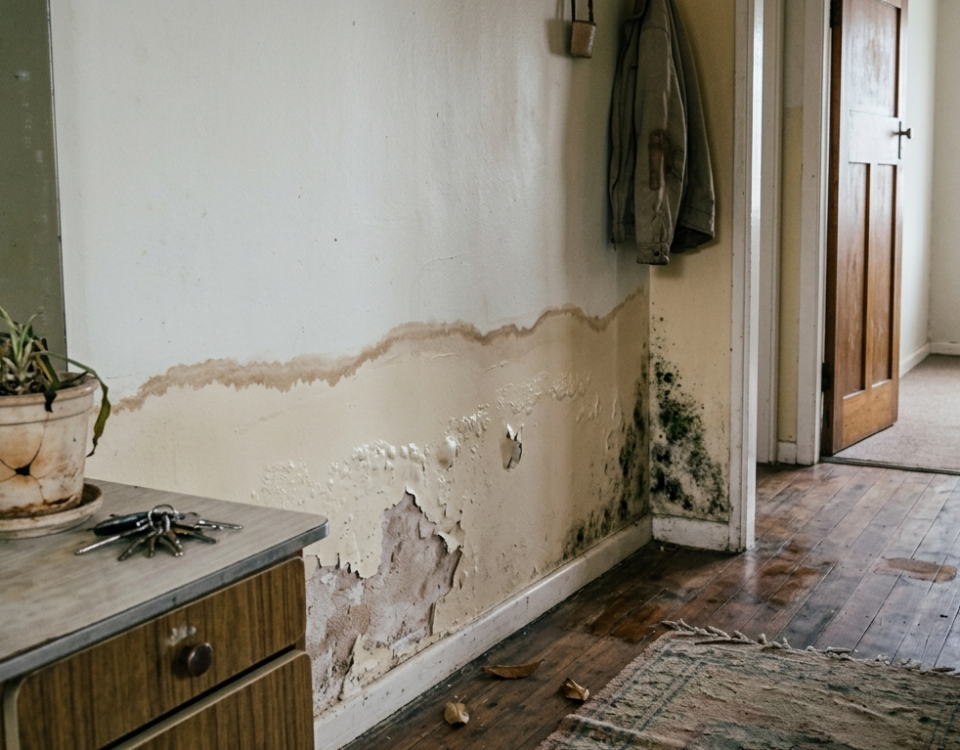
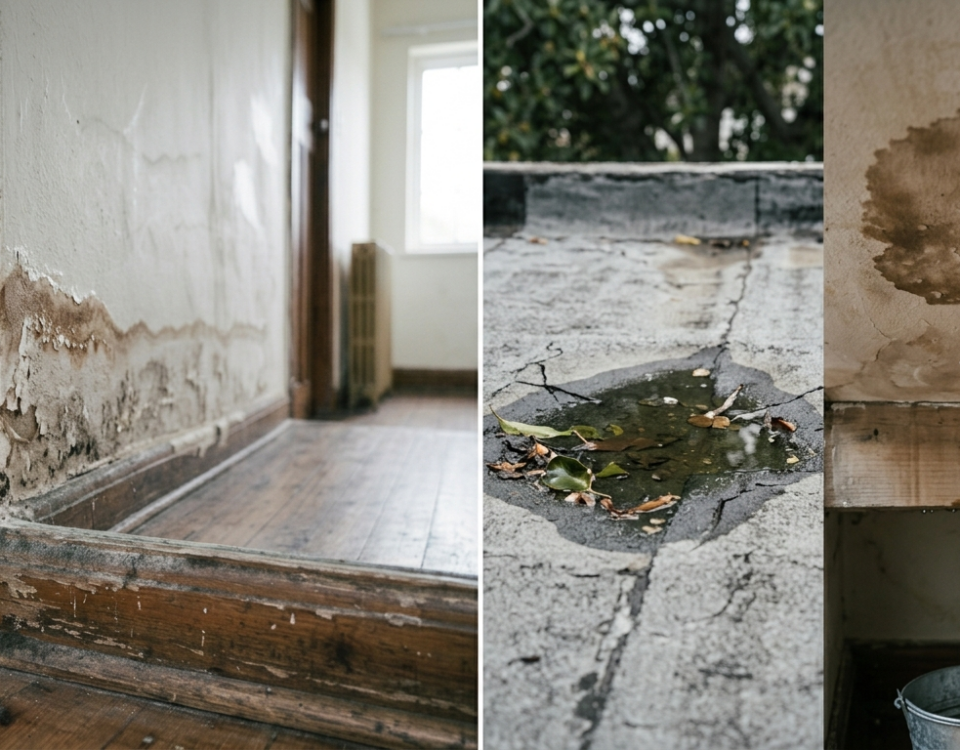
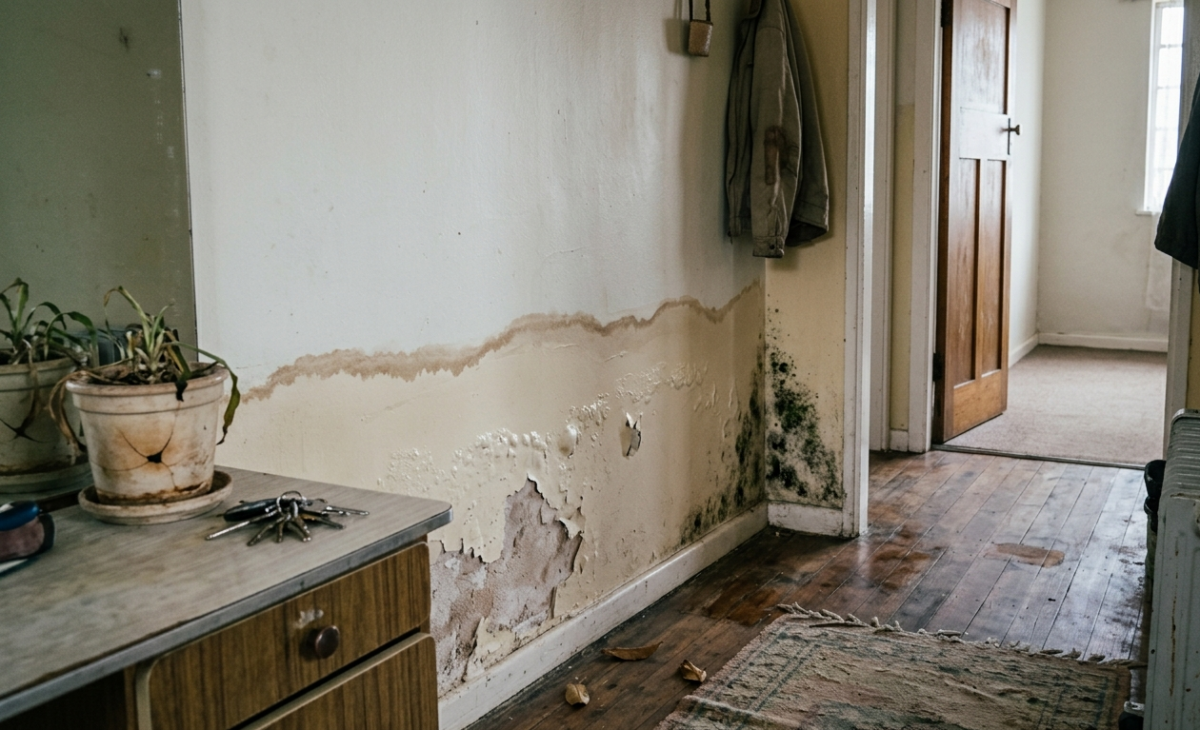
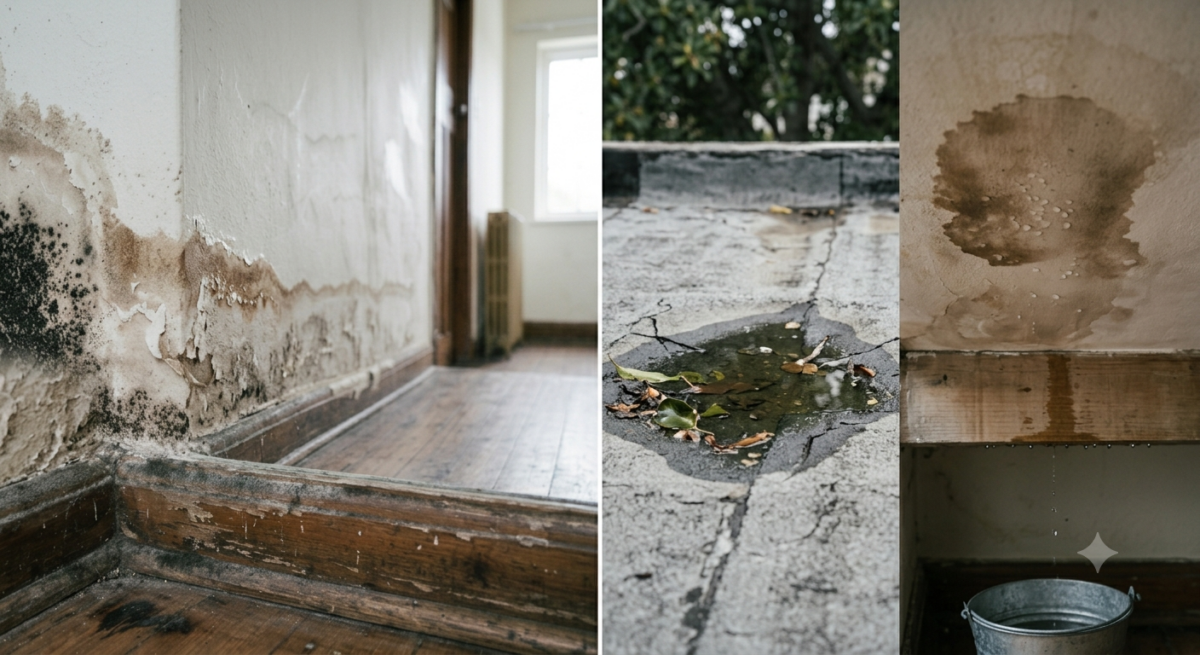
The most recognisable sign of rising damp is a horizontal discolouration or tide mark on interior walls, usually between 300mm and 1 metre from the floor. It follows the same horizontal line around the affected wall and often has a slightly damp or cool feel to the touch. In Cape Town’s older homes, particularly in suburbs like Goodwood, Bellville, and Parow where the housing stock dates back to the 1950s and 60s, this is the single most common damp complaint Colin Brown receives.
Sign 2: White Powdery Deposits on Brickwork
White or grey powder on brickwork or plaster, particularly on external walls near ground level, is called efflorescence. It occurs when moisture moves through masonry and carries soluble salts to the surface. When the moisture evaporates, the salts are left behind as a powdery residue. It is not dangerous in itself but it is a reliable indicator that moisture is actively moving through your wall.
Sign 3: Peeling Paint or Plaster Near the Floor
Paint and plaster do not peel without a reason. When moisture is trapped behind a wall surface, it builds up pressure that eventually forces the surface coating away. If you are seeing paint bubbling, cracking, or lifting in the lower section of a wall, it is almost always a moisture problem underneath. This is often one of the later signs of rising damp, meaning it has already been present for some time before it becomes visible.
Sign 4: A Persistent Musty Smell
A musty smell that does not go away when a room is ventilated is a strong indicator of ongoing moisture in the walls or floor. It is caused by mould growing in damp conditions behind plaster or under flooring. In Cape Town’s winter months, many homeowners assume the smell is just from the wet weather, but if it persists into spring and summer, it is worth having the walls checked properly. For more on the health implications of mould in damp homes, read our article on whether damp in your home could be making you sick.
Sign 5: Cold or Damp Patches on Interior Walls
Run your hand along the lower section of an interior wall in a room you suspect has damp. Rising damp walls often feel noticeably cooler or slightly moist compared to the rest of the wall surface. This is because moisture in the wall conducts heat away from the surface faster than dry masonry does. It is a simple test that costs nothing and takes thirty seconds.
What Rising Damp Is Not
Rising damp is sometimes confused with condensation, which appears higher on walls and ceilings and is caused by warm moist air hitting a cold surface. It is also different from penetrating damp, which enters horizontally through defects in the external wall rather than rising from the ground. If you are not sure which type of damp you are dealing with, our guide to the difference between rising damp, penetrating damp, and lateral damp explains each one clearly.
“Rising damp is one of those problems that looks small until it is not. A tide mark that is 300mm high in April can be 600mm high by September. The moisture does not stop rising just because you have not treated it yet.”
Seen any of these signs in your Cape Town home? Colin Brown from Cape Damp Specialists offers a free assessment with every quote. Call 060 886 2970 or send a WhatsApp.

Over 20 years’ experience specialising in rising damp, based in Goodwood and serving homes across Cape Town, Somerset West, Strand, Paarl, Langebaan and Wellington.
Rising damp typically reaches between 500mm and 1.5 metres above floor level, depending on the wall construction, the amount of ground moisture, and how long the problem has been present. In Cape Town’s wetter suburbs the level can be higher.
No. Rising damp will not resolve without treatment. The moisture source, which is the ground, is always present. Without a functioning damp-proof course, moisture will continue to rise.
Most home insurance policies in South Africa exclude gradual damp damage, treating it as a maintenance issue rather than a sudden event. It is worth checking your specific policy, but in most cases rising damp treatment is the homeowner’s responsibility.